Emergency Plumber Grand Forks ND: Homeowner Playbook
When your water heater fails at 2 AM or a pipe bursts during Grand Forks' brutal winter months, you need immediate professional help. Emergency plumbing situations don't wait for business hours, and the difference between a quick fix and thousands of dollars in water damage often comes down to how prepared you are and how quickly you respond.
Grand Forks homeowners face unique plumbing challenges due to our extreme temperature swings and aging infrastructure in many neighborhoods. From frozen pipes in January to sump pump failures during spring flooding, understanding what constitutes a true plumbing emergency and having an action plan can save you significant money and stress.
Recognizing True Plumbing Emergencies
Not every plumbing issue requires emergency service, but certain situations demand immediate attention to prevent catastrophic damage. A burst pipe flooding your basement clearly qualifies, while a slow-draining sink can typically wait until morning.
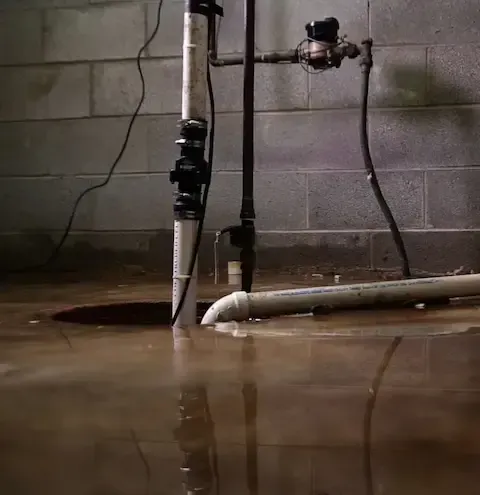
Water emergencies top the list of situations requiring immediate response. Any scenario where water is actively flowing where it shouldn't belong - through your ceiling, across your floors, or pooling around your water heater - needs professional intervention within hours, not days. In Grand Forks' climate, exposed water can quickly lead to ice damage and mold growth.
Sewage backups represent another category of emergency that poses health risks beyond property damage. Raw sewage contains harmful bacteria and pathogens that make your home unsafe until properly remediated. These situations require both plumbing repair and sanitization services.
Gas line issues, while less common, present the most serious safety risks. If you smell gas near your water heater, furnace, or any gas appliances, evacuate immediately and call your gas company before contacting any repair service. These situations can be life-threatening.
Frozen pipes occupy a gray area between emergency and urgent repair. If water is still flowing, you have time to attempt thawing techniques. However, if you turn on faucets and nothing comes out during freezing weather, professional help prevents pipe ruptures that would create a true emergency.
Immediate Response Steps for Water Emergencies
Your first priority during any water emergency is stopping the flow and minimizing damage. Every Grand Forks homeowner should know the location of their main water shutoff valve, typically found where the water line enters your home or near the water meter.
For burst pipes, shut off the main water supply immediately, then locate the specific shutoff valve for the affected area if possible. Many homes have individual shutoff valves for bathrooms, kitchens, and water heaters that allow you to isolate the problem without cutting water to your entire home.
After stopping the water flow, focus on protecting your belongings and documenting the damage. Move furniture, electronics, and valuables away from standing water. Take photos of the damage for insurance purposes before beginning cleanup efforts.
Remove standing water as quickly as possible using pumps, wet vacuums, or even buckets and towels. Standing water can cause structural damage to flooring and promote mold growth within 24-48 hours, especially problematic in Grand Forks' humid summer months.
Contact your insurance company early in the process. Many policies cover sudden water damage but exclude gradual leaks or maintenance issues. The sooner you file a claim, the better your chances of full coverage.
Professional Emergency Plumbing services can typically respond within hours during severe situations. While waiting for help, document everything, take photos, and begin the drying process to minimize secondary damage.
Dealing with Frozen Pipe Situations
Grand Forks winters regularly test plumbing systems with temperatures dropping well below zero for extended periods. Frozen pipes rank among the most common emergency calls local plumbers receive between December and March.
Prevention remains your best strategy. Pipes in exterior walls, crawl spaces, and unheated areas face the highest risk. Letting faucets drip during extreme cold spells keeps water moving and prevents freezing. Opening cabinet doors under sinks allows warm air to circulate around pipes.
If you discover frozen pipes, act quickly but carefully. Never use open flames, blowtorches, or other high-heat sources that can damage pipes or create fire hazards. Hair dryers, space heaters, and warm towels provide safer thawing methods.
Start thawing from the faucet end and work toward the frozen section, allowing melted water to flow out. If the frozen section is inside a wall or otherwise inaccessible, call for professional help rather than attempting major repairs yourself.
Burst pipes often result from improper thawing techniques or pipes that freeze completely and rupture from ice expansion. If you turn on faucets after thawing and notice reduced pressure, unusual sounds, or water stains, have the system professionally inspected before assuming everything is working properly.
Sewer Backup Emergency Protocols
Sewer backups create health hazards that require immediate attention and specialized cleanup procedures. These situations often occur during heavy rains when Grand Forks' storm and sewer systems become overwhelmed, or when tree roots infiltrate aging sewer lines.
Stop using all water immediately when you discover sewage backing up into your home. This includes toilets, sinks, washing machines, and dishwashers. Additional water will only worsen the backup and spread contamination.
Ensure your family's safety by evacuating contaminated areas and avoiding direct contact with sewage water. Sewage contains harmful bacteria, viruses, and parasites that can cause serious illness through skin contact or inhalation.
Contact your insurance company quickly, as sewer backup coverage often requires specific policy additions that many homeowners don't realize they lack. Standard homeowner's policies typically exclude sewer backup damage unless you've purchased additional coverage.
Professional remediation involves more than just pumping out standing water. Contaminated areas require disinfection, and porous materials like drywall, carpeting, and insulation often need complete replacement to prevent ongoing health risks.
Document everything thoroughly with photos and videos before cleanup begins. Insurance adjusters need comprehensive evidence to process claims, and professional restoration companies can help with proper documentation procedures.
Water Heater Emergency Situations
Water heater failures range from minor inconveniences to major emergencies depending on the nature of the problem. Age-related component failures typically develop gradually, while tank ruptures or gas leaks require immediate response.
Leaking water heaters need quick attention to prevent water damage, especially units located in finished basements or near electrical systems. Small leaks from fittings or the pressure relief valve might be repairable, while tank bottom leaks usually signal the need for replacement.
Gas water heater emergencies present serious safety risks. If you smell gas around your unit, don't attempt repairs or even touch electrical switches. Leave the area immediately and contact your gas company's emergency line before calling plumbing services.
Electric water heater issues rarely create emergency situations unless the unit is leaking or you notice electrical problems like sparking or burning smells. In those cases, shut off power to the unit at your electrical panel and call for professional service.
Temperature and pressure relief valve discharge indicates potentially dangerous conditions inside the tank. While the valve is designed to prevent explosions by releasing excess pressure, ongoing discharge suggests underlying problems that need professional diagnosis.
Choosing Emergency Plumbing Services in Grand Forks
Not all plumbing companies offer genuine 24-hour emergency service, and the ones that do often charge premium rates for after-hours calls. Understanding what you're paying for and what level of service to expect helps you make informed decisions during stressful situations.
Legitimate emergency plumbers maintain on-call technicians who can respond within 2-4 hours during severe situations. Be wary of services that promise immediate response but then reschedule repeatedly or take much longer than estimated.
Emergency service rates typically include higher labor charges, trip fees, and potential surcharges for weekend or holiday calls. Get clear pricing information upfront, including minimum charges and hourly rates, before authorizing work.
Verify licensing and insurance before allowing anyone to work on your plumbing system. North Dakota requires plumbers to hold valid licenses, and reputable companies carry liability insurance to protect homeowners from damage caused during repairs.
Ask about parts availability for common repairs. Established local companies often stock frequently needed components, while newer services might require additional time to source parts, extending your emergency situation.
Red Flags in Emergency Service Providers
High-pressure sales tactics during emergency calls should raise immediate concerns. Legitimate professionals focus on stopping the immediate problem, not selling expensive system replacements while you're dealing with a crisis.
Unusually low estimates might indicate inexperienced technicians or companies that add charges after beginning work. Quality emergency plumbing services cost more than routine maintenance, but extremely low bids often signal problems.
Door-to-door solicitation following neighborhood emergencies or natural disasters represents a common scam. Reputable local plumbers don't need to drum up business this way, especially during busy emergency periods.
Demands for full payment upfront, especially cash payments, indicate potential fraud. Professional plumbing companies work with insurance companies and understand that emergency repairs often involve claims processing.
Insurance Considerations for Plumbing Emergencies
Understanding your homeowner's insurance coverage before emergencies occur prevents unpleasant surprises when filing claims. Standard policies cover sudden, accidental water damage but exclude gradual leaks, maintenance issues, and flood damage.
Burst pipes from freezing typically receive coverage if the home was properly heated and the pipes weren't neglected. However, if you leave town during winter without maintaining adequate heat, insurers might deny claims for freeze-related damage.
Sewer backup coverage requires specific policy endorsements in most cases. This additional coverage costs relatively little but provides significant protection against expensive cleanup and restoration costs.
Document everything thoroughly from the moment you discover damage. Insurance companies require proof of the damage extent, repair costs, and steps taken to minimize ongoing problems. Professional restoration companies can help with proper documentation.
Temporary living expenses might be covered if your home becomes uninhabitable during repairs. This coverage can help with hotel costs, restaurant meals, and other expenses while your home is being restored.
Keep receipts for all emergency repairs, temporary protective measures, and related expenses. Many policies reimburse homeowners for reasonable steps taken to prevent additional damage, even before professional help arrives.
Prevention Strategies for Common Emergencies
Most plumbing emergencies can be prevented or minimized through regular maintenance and seasonal preparations. Grand Forks homeowners who invest in prevention typically experience fewer costly emergency situations.
Annual professional inspections identify potential problems before they become emergencies. Experienced plumbers spot warning signs like corroded fittings, aging supply lines, and developing leaks that homeowners often miss.
Seasonal maintenance routines address climate-specific challenges. Fall preparations include insulating exposed pipes, servicing sump pumps, and checking heating systems that protect plumbing during winter months.
Water pressure monitoring helps identify developing problems in municipal supply systems or your home's plumbing network. Sudden pressure changes often indicate breaks or blockages that can lead to emergency situations.
Tree root management prevents sewer line infiltration that causes backups during heavy rains. Professional drain cleaning and sewer camera inspections identify root problems before they create emergency situations.
Emergency supply preparation includes knowing shutoff valve locations, keeping basic tools accessible, and maintaining contact information for reliable local services. These preparations minimize damage and stress when problems occur.
Understanding Costs and Payment Options
Emergency plumbing services cost significantly more than scheduled maintenance, but understanding typical pricing helps you budget and avoid overpaying during stressful situations. Legitimate companies provide clear pricing structures and written estimates.
Service call fees typically range from $100-200 for emergency response, with additional hourly charges for labor and separate fees for parts. Weekend and holiday surcharges can add 50-100% to standard rates.
Complex emergencies requiring specialized equipment or extensive repairs might involve multiple-day projects with corresponding costs. Get detailed written estimates before authorizing expensive repairs, especially if insurance coverage is uncertain.
Payment options vary among emergency service providers. Many work directly with insurance companies, while others require upfront payment with reimbursement handled between you and your insurer.
Financing programs help manage unexpected repair costs, especially for major emergencies requiring system replacement or extensive restoration work. Compare terms carefully and understand all fees before committing to financing arrangements.
For a step-by-step response plan you can follow the moment something fails, read What To Do First During a Grand Forks Plumbing Emergency.
Emergency plumbing situations test your preparation, decision-making, and ability to minimize damage while protecting your family's safety. By understanding common emergency types, maintaining essential supplies, and establishing relationships with reliable local professionals before you need them, you can navigate these challenging situations with greater confidence and better outcomes. Remember that the key to managing plumbing emergencies lies in quick response, proper documentation, and working with experienced professionals who understand Grand Forks' unique challenges and requirements.
