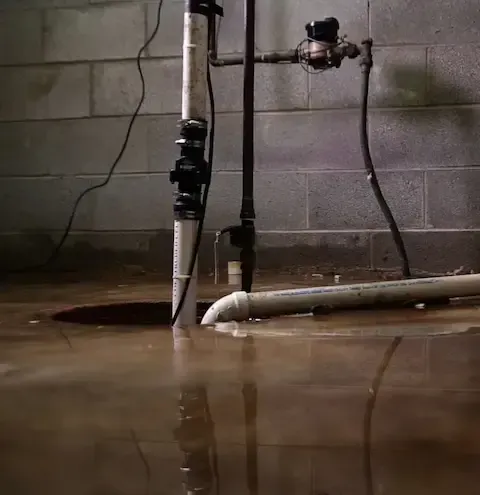
What To Do First During a Grand Forks Plumbing Emergency
When a plumbing emergency hits your Grand Forks home, the first thing you should do is shut off the main water supply valve. This single action stops water from flowing to the burst pipe, failed fitting, or overflowing fixture causing the damage. After the water is off, cut electrical power to any room where water is accumulating, then call a licensed plumber for emergency service. These three steps — shut, cut, call — prevent the majority of secondary damage that turns a manageable repair into a costly disaster.
Where Is the Main Water Shutoff Valve in a Grand Forks Home?
In most Grand Forks homes, the main shutoff valve is located in the basement near where the water line enters the foundation. Because North Dakota winters drive water mains deep underground, the entry point is typically on the south or east wall, closest to the city supply line. Look for a gate valve or ball valve on an exposed pipe. If you have a ball valve, turn the handle a quarter turn so it runs perpendicular to the pipe. If it's a gate valve, turn clockwise until it stops. Know where this valve is before an emergency happens — walking unfamiliar people through finding it over the phone adds minutes you may not have.
Should You Cut Electrical Power When There Is Standing Water?
Yes, immediately. Water and live circuits are a life-threatening combination. Go to your breaker panel and shut off power to any room or zone where water is pooling or where a ceiling is visibly sagging and wet. Do not walk through standing water to reach an outlet or appliance while power is still on. If your breaker panel itself is in the flooded area or you cannot safely reach it, leave the home and call the power company before re-entering. Grand Forks homeowners dealing with basement flooding should treat this step as non-negotiable before touching any equipment or beginning cleanup.
What Should You Do With a Burst Pipe While Waiting for a Plumber?
Once the main water supply is off and the power situation is controlled, focus on limiting spread. Open a faucet on the lowest level of the home to relieve pressure still trapped in the lines. Use towels, buckets, or a wet-dry vac to begin removing standing water from finished areas — the faster water leaves wood floors and drywall, the less structural damage sets in. If a pipe is visibly cracked but water has been shut off, you can wrap it temporarily with pipe repair tape available at hardware stores in Grand Forks, but treat this as a holding measure, not a fix. For Emergency Plumbing needs, a licensed plumber needs to inspect and repair the actual break before you restore water service.
Is It Safe To Use Any Fixtures After Turning Off the Main Valve?
No. After you shut the main valve, residual water remains in the pipes under whatever pressure was present before shutoff. Turning on a faucet in that state simply drains what remains in the line — this is fine and intentional when you want to depressurize. But do not flush toilets repeatedly, do not run the dishwasher, and do not use any fixture connected to the compromised section of plumbing. In multi-unit buildings or older East Grand Forks properties with shared lines, this also means notifying neighbors in adjacent units who may not realize the supply is off.
When Should You Call a Plumber Versus Calling 911?
Call 911 first if there is a gas smell accompanying a plumbing failure, if someone has been injured, or if you cannot safely exit a flooded area. Gas line ruptures can occur alongside water line failures during foundation shifts — something that happens more in the Red River Valley region during significant freeze-thaw cycles. If the situation is plumbing-only with no safety hazard to people, call a licensed emergency plumber directly. Most Grand Forks plumbing contractors offer after-hours dispatch, and response times for genuine emergencies are typically within the hour. Check out our guide on After Hours Plumbing Help in North Dakota if you need help understanding what after-hours service covers and how to request it.
What Information Should You Have Ready When You Call?
When you reach a plumber, be ready to describe the type of failure you see, the location in the home, whether the main water is off, and whether there is electrical risk. If you know the age of your plumbing system — relevant for Grand Forks homes built before 1980 that may have galvanized or early copper lines — mention it. Note whether the problem is isolated to one fixture or whether multiple drains or supply lines appear affected. This information helps dispatch determine whether a single technician or additional equipment is needed and speeds up the call significantly.
Does Homeowners Insurance Cover Emergency Plumbing in Grand Forks?
Standard homeowners insurance in North Dakota typically covers sudden and accidental water damage — a pipe that bursts without warning — but does not cover damage that results from neglected maintenance or gradual leaks you were aware of. Document the damage before you clean up. Take photos and video of water levels, affected materials, and the source of the failure. Keep any failed pipe sections or components the plumber removes, since insurers sometimes request physical evidence. Contact your insurance agent the same day to open a claim and ask whether emergency plumbing labor is covered under your specific policy language.
