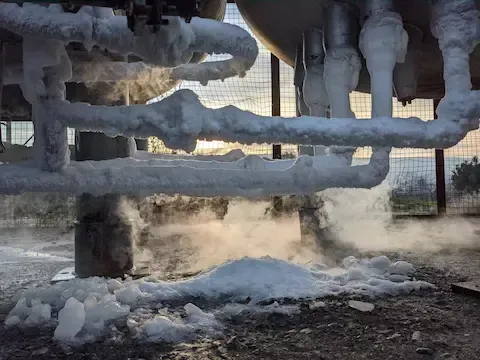
Frozen Pipe Repair in Grand Forks: Winter Survival
When temperatures in Grand Forks plummet to negative double digits, frozen pipes become an inevitable reality for many homeowners. The combination of North Dakota's harsh winters and older home construction creates perfect conditions for water lines to freeze solid, potentially causing thousands of dollars in damage if handled incorrectly. Understanding the proper thaw sequence, recognizing rupture warning signs, and knowing when professional intervention becomes necessary can mean the difference between a minor inconvenience and a major disaster.
Frozen pipe situations in Grand Forks typically develop overnight when temperatures drop below 20 degrees Fahrenheit for extended periods. The most vulnerable areas include exterior walls, unheated basements, crawl spaces, and pipes running through uninsulated sections of older homes common throughout the city's established neighborhoods. Water expands approximately 9% when it freezes, creating immense pressure within pipe walls that can cause splits, cracks, or complete ruptures.
Immediate Assessment and Safety Protocols
Your first priority involves shutting off the main water supply to prevent flooding if pipes have already ruptured. The main shutoff valve typically sits near where the water line enters your home, often in the basement or utility room. Turn the valve clockwise until it stops completely, then open faucets throughout the house to drain remaining water from the system.
Locate the frozen section by checking faucets room by room. Areas that produce no water flow or only a trickle indicate frozen pipes upstream. Focus your inspection on pipes along exterior walls, especially those facing north or west where Grand Forks winter winds create the most severe conditions. Feel along exposed pipes for sections that seem unusually cold or show frost accumulation.
Check for visible damage before beginning any thaw process. Look for cracks, splits, or bulging sections that indicate the pipe has already failed. If you discover obvious damage, contact a Frozen Pipe Repair professional immediately rather than attempting to thaw the line yourself.
Safe Thawing Techniques and Methods
Begin thawing at the faucet end and work backward toward the frozen section. This approach allows melting water to flow out rather than becoming trapped behind the ice blockage, which could increase pressure and cause ruptures. Open the affected faucet before starting the thaw process to provide an escape route for expanding water.
Hair dryers work effectively for accessible pipes, but maintain at least six inches of distance to prevent overheating. Move the dryer continuously rather than focusing heat on one spot, which could damage pipe materials or create hot spots that lead to thermal shock. Wrap towels soaked in hot water around the frozen section, replacing them every few minutes as they cool.
Electric heating pads set to medium temperature provide gentle, consistent heat for pipes you can access easily. Secure the pad against the pipe with electrical tape, but never leave it unattended or use it on wet surfaces. Space heaters positioned safely away from combustible materials can warm entire rooms where frozen pipes run through walls or ceilings.
Avoid dangerous thawing methods including open flames, propane torches, or excessive heat that could damage pipes or create fire hazards. These approaches often cause more damage than the original freeze by weakening pipe materials or creating rapid temperature changes that lead to thermal shock and cracking.
Professional Intervention Indicators
Call professional plumbers when pipes remain frozen after several hours of careful thawing attempts. Grand Forks winters can create ice blockages several feet long that require specialized equipment to address safely. Professionals use steam thawing machines, electric pipe thawing units, or hot water circulation systems that provide controlled heat without risking pipe damage.
Signs of pipe rupture require immediate professional response, including water stains on walls or ceilings, unusual water sounds within walls, or flooding in previously dry areas. Even small leaks can cause significant damage to insulation, drywall, and structural elements if not addressed quickly.
Pipes located within walls, under concrete slabs, or in inaccessible areas need professional equipment for safe thawing. Attempting to cut into walls or break through concrete without proper knowledge can damage structural elements or create more extensive problems than the original freeze.
Rupture Risk Management
Monitor water pressure carefully during the thaw process by checking other faucets throughout the house. Sudden increases in water flow or unusual gurgling sounds may indicate the ice blockage is clearing, but they could also signal pipe damage developing elsewhere in the system.
Document the thaw process with photographs and notes about which methods you use and how long each takes. This information helps insurance companies process claims and assists professionals if you need to call for help later. Most homeowners insurance policies cover sudden pipe failures but may exclude damage from freezing if proper precautions weren't taken.
Never use excessive force on frozen valves or fittings, which become brittle in cold temperatures. What seems like a stuck valve might actually be a frozen one that will crack or break if forced. Allow thawing processes to work gradually rather than rushing the timeline.
Emergency Preparedness Measures
Keep emergency supplies readily available during Grand Forks winter months, including extra towels, buckets to catch dripping water, and portable heaters designed for safe indoor use. Battery-powered flashlights or headlamps help you work in dark basement or crawl space areas where frozen pipes commonly occur.
Maintain relationships with local plumbing services before emergencies strike, especially during winter months when demand for frozen pipe services peaks. Having contact information for reliable Grand Forks plumbing professionals saves valuable time when pipes freeze during evening hours or weekends.
Prevention Strategies for Future Winters
Insulate vulnerable pipes before cold weather arrives, focusing on areas along exterior walls, in unheated spaces, or where pipes run through rim joists. Foam pipe insulation costs less than emergency repair calls and provides effective protection against moderate freezing conditions.
Maintain consistent heating throughout your home, even in areas you don't use regularly. Closing vents or turning off heat to unused rooms saves money on heating bills but creates conditions where pipes can freeze easily during extreme cold snaps common in Grand Forks winters.
Allow faucets to drip slightly during severe cold weather to keep water moving through the system. Moving water resists freezing much better than static water, and the small increase in your water bill costs far less than emergency pipe repairs or water damage cleanup.
Seal air leaks around pipes that allow cold air to reach water lines. Caulk gaps where pipes enter your home, around windows near pipe runs, and in basement or crawl space areas where outside air infiltration occurs. This approach often requires an Emergency Plumber Homeowner Playbook to identify all vulnerable areas effectively.
Local Climate Considerations
Grand Forks faces unique challenges with its continental climate pattern that creates sudden temperature drops and extended periods below zero. Wind chill factors from prairie winds can make exterior wall pipes freeze faster than in more sheltered locations, requiring additional protection measures.
Older homes throughout Grand Forks neighborhoods often lack adequate insulation in pipe areas, reflecting building standards from decades when energy costs were lower and extreme weather events less frequent. These homes need extra attention during winter months to prevent freezing problems.
The Red River proximity creates humidity conditions that can affect how quickly pipes freeze and thaw, sometimes creating frost accumulation that misleads homeowners about the actual location of ice blockages. Understanding these local conditions helps you make better decisions about when to attempt repairs yourself versus calling professionals.
Long-term Solutions and Upgrades
Consider upgrading older plumbing systems with freeze-resistant features if you experience repeated problems. Modern pipe materials and installation techniques provide better cold weather performance than systems installed decades ago in many Grand Forks homes.
Install automated temperature monitoring systems that alert you when areas prone to freezing drop below safe temperatures. These systems can send notifications to your phone, allowing you to take preventive action before pipes actually freeze solid.
Evaluate your home's overall winterization status including insulation levels, heating system efficiency, and air sealing quality. Comprehensive improvements often cost less than repeated emergency repairs and provide better comfort throughout winter months.
Frozen pipe repair in Grand Forks requires patience, proper technique, and realistic assessment of your capabilities versus professional requirements. While simple thawing procedures can resolve minor freezing incidents safely, complex situations involving inaccessible pipes or suspected damage need professional intervention. Understanding these distinctions helps you respond appropriately when winter conditions threaten your plumbing system, protecting both your property and your family's comfort during North Dakota's challenging winter months.
Catching the problem earlier is easier than repairing it, and the warning signs of frozen pipes in Grand Forks homes covers what to watch for before a line splits.
