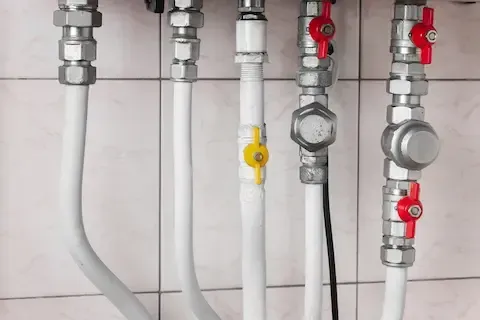
Gas Line Repairs in Grand Forks ND: Leak Safety Steps
Gas line repairs in Grand Forks homes require immediate professional attention when leaks occur. Licensed plumbers with natural gas certification handle everything from emergency leak response to complete line replacements and new appliance connections. Understanding the safety protocols and repair processes helps homeowners protect their families while ensuring code-compliant installations throughout North Dakota's residential properties.
Gas Line System Components and Common Failure Points
Your home's gas distribution system consists of several critical components that can develop problems over time. The main service line connects your property to the municipal gas supply, typically running underground from the street to your home's meter. From there, branch lines distribute gas to individual appliances like furnaces, water heaters, stoves, and fireplaces.
Most gas line failures occur at connection points, joints, and areas where pipes experience stress or corrosion. Older homes in Grand Forks often have galvanized steel pipes that corrode from the inside out, creating weak spots prone to leaks. Flexible connectors behind appliances represent another common failure point, especially when they're older than ten years or have been disturbed during appliance maintenance.
Temperature fluctuations in North Dakota's harsh winters can cause expansion and contraction in gas lines, potentially loosening fittings over time. Underground portions of gas lines face additional challenges from soil shifting, tree root intrusion, and freeze-thaw cycles that can compromise pipe integrity.
Modern installations use corrugated stainless steel tubing (CSST) or black iron pipe, both offering superior durability compared to older materials. However, even these systems require proper installation techniques and regular inspection to maintain safe operation.
Immediate Gas Leak Response Procedures
When you suspect a gas leak, your immediate response can prevent catastrophic consequences. The distinctive mercaptan odor added to natural gas creates a "rotten egg" smell that serves as your primary warning system. However, not all leaks produce detectable odors, particularly small leaks or those occurring underground.
Upon detecting a gas odor, immediately evacuate all occupants and pets from the building. Do not operate electrical switches, light matches, use phones inside the structure, or create any potential ignition sources. Once safely outside, call your gas utility company's emergency line and 911 from a location well away from the suspected leak area.
Before professional help arrives, shut off the main gas valve at your meter if you can access it safely. The valve handle should be perpendicular to the pipe when closed. Never attempt to locate or repair the leak source yourself, as this requires specialized equipment and training.
If the leak appears to be underground, avoid the area entirely and warn neighbors who might be affected. Underground gas leaks can migrate through soil and accumulate in basements, utility rooms, or other enclosed spaces, creating explosive conditions far from the actual leak source.
Knowing the signs before you smell anything matters, and detecting a natural gas leak in a Grand Forks home covers the smell, sound, and vegetation cues.
Professional Repair Assessment and Diagnosis
Licensed gas line technicians use specialized equipment to locate and assess gas leaks accurately. Electronic gas detectors can identify concentrations as low as one part per million, while soap solutions help pinpoint exact leak locations on exposed piping. For underground leaks, technicians employ more sophisticated detection methods including soil probes and acoustic equipment.
The assessment process begins with pressure testing the entire system to identify all affected areas. Technicians isolate different sections of the gas line system to determine whether problems exist in the main service line, interior distribution piping, or appliance connections. This systematic approach ensures comprehensive repairs rather than temporary fixes.
Documentation during assessment becomes crucial for insurance claims and future reference. Professional technicians photograph damaged areas, measure gas concentrations, and create detailed reports outlining all findings. This documentation also helps determine whether repairs fall under utility company responsibility or homeowner obligations.
In Grand Forks, gas line work requires specific licensing beyond standard plumbing credentials. Technicians must hold natural gas certification from the state and maintain current training on local codes and safety protocols. Verify these credentials before allowing any work on your gas system.
Repair Methods and Material Selection
Gas line repair methods vary depending on the location and extent of damage. Simple fitting replacements might involve cutting out damaged sections and installing new connections with appropriate joint compounds and testing procedures. More extensive repairs could require complete line replacement from the meter to affected appliances.
Material selection depends on local codes, application requirements, and environmental factors. Black iron pipe remains the standard for many installations, offering durability and code compliance for both interior and underground applications. CSST provides flexibility for complex routing situations but requires careful installation to prevent damage from sharp edges or excessive bending.
Underground repairs present unique challenges in North Dakota's climate. Proper depth installation protects pipes from frost damage, while appropriate backfill materials and corrosion protection ensure long-term reliability. Tracer wire installation during underground work helps locate lines for future maintenance or utility marking requests.
All repair work must include pressure testing at levels exceeding normal operating pressures. This testing verifies joint integrity and system safety before restoring gas service. Professional technicians use calibrated gauges and follow specific testing protocols mandated by state and local authorities.
Appliance Reconnection and Safety Testing
After completing gas line repairs, each affected appliance requires individual attention during reconnection. This process involves more than simply reattaching gas connections – it includes comprehensive safety testing and operational verification to ensure proper combustion and ventilation performance.
Furnace reconnections demand particular care given their central role in home heating during North Dakota winters. Technicians verify proper gas pressure at the appliance, check all electrical connections, and test safety systems including limit switches and flame sensors. Heat exchanger inspection often accompanies gas line work to identify any damage that might compromise safe operation.
Water heater reconnections include testing the temperature and pressure relief valve, verifying proper venting, and confirming adequate combustion air supply. Gas ranges and cooktops require burner adjustment and safety feature testing to ensure even flame patterns and proper ignition systems.
Gas Line Services encompass all aspects of appliance reconnection, from initial hookup through final testing and homeowner education. This comprehensive approach ensures every component functions safely and efficiently after repair completion.
Code Compliance and Inspection Requirements
North Dakota gas line installations and repairs must comply with both state regulations and local building codes. The state adopts the International Fuel Gas Code with specific amendments addressing regional climate conditions and safety requirements. Local jurisdictions may impose additional requirements, making professional knowledge of current codes essential for compliant installations.
Permit requirements vary based on work scope and local policies. Major repairs, line extensions, and new appliance installations typically require permits and inspections, while minor repairs might fall under emergency exemptions. Understanding these requirements prevents project delays and ensures proper documentation for insurance and resale purposes.
Inspection scheduling becomes critical during winter months when weather conditions can delay outdoor work. Professional contractors coordinate with local inspectors to minimize delays while ensuring all work meets required standards before system activation.
Documentation requirements include maintaining records of all materials used, pressure test results, and inspection approvals. This paperwork proves compliance during future home sales and provides valuable reference information for subsequent maintenance or modifications.
Preventive Maintenance and Early Detection
Regular maintenance prevents many gas line emergencies while ensuring optimal system performance throughout your home's operational life. Annual inspections by qualified technicians identify potential problems before they become safety hazards or require expensive emergency repairs.
Homeowner responsibilities include monthly visual inspections of exposed gas lines, particularly in basements, utility rooms, and behind appliances. Look for signs of corrosion, physical damage, or loose connections. Any unusual odors, hissing sounds, or dead vegetation near underground gas lines warrant immediate professional attention.
Appliance maintenance directly impacts gas line longevity and safety. Dirty burners, clogged vents, and malfunctioning safety systems can create back-pressure conditions that stress gas line components. Professional appliance servicing addresses these issues while identifying potential gas line concerns during routine maintenance visits.
Bathroom Plumbing Fixture Handbook covers similar preventive maintenance principles for water systems, emphasizing the importance of regular professional inspections across all home utility systems.
Emergency Preparedness and Safety Planning
Developing a comprehensive gas emergency plan protects your family while facilitating rapid professional response when problems occur. This plan should include clear evacuation procedures, emergency contact numbers, and gas shutoff procedures that all family members understand and can execute safely.
Emergency supply preparation becomes especially important in Grand Forks, where winter weather can complicate emergency response and temporary heating solutions. Maintain battery-powered gas detectors, flashlights, and emergency heating options that don't rely on your home's gas system.
Professional emergency service availability varies throughout the area, making it important to establish relationships with qualified contractors before emergencies occur. Research local gas line specialists, verify their licensing and insurance, and keep contact information readily accessible.
Communication with utility companies during emergencies requires understanding their responsibility boundaries and response procedures. While utility companies handle main line issues and service interruptions, homeowners bear responsibility for gas lines beyond the meter and all interior distribution systems.
