Sewer Line Repair Grand Forks ND: Backup Prevention
Understanding Sewer Line Problems in Grand Forks
Sewer line issues in Grand Forks, North Dakota present unique challenges due to the region's climate extremes and soil conditions. Your home's sewer system works continuously to transport wastewater from your property to the municipal treatment facility, but several factors can compromise this critical infrastructure.
The most common sewer line problems local homeowners face include tree root intrusion, aging clay pipes, ground movement from freeze-thaw cycles, and blockages from accumulated debris. These issues often develop gradually, making early detection crucial for preventing costly emergency repairs and protecting your property from sewage backups.
Clay pipes, common in older Grand Forks neighborhoods, become particularly vulnerable as they age. The natural expansion and contraction caused by North Dakota's temperature swings can create cracks and joint separations that allow roots to penetrate the system. Once roots establish themselves inside your sewer line, they continue growing and can completely block the pipe within months.
Professional sewer line repair services use advanced diagnostic equipment to identify problems before they escalate into emergency situations. Modern camera inspection technology allows technicians to pinpoint exact locations of damage, determine the extent of repairs needed, and recommend the most cost-effective solution for your specific situation.
Signs Your Sewer Line Needs Repair
Recognizing early warning signs can save you thousands of dollars in damage restoration costs. Multiple drains backing up simultaneously indicates a main sewer line problem rather than individual fixture clogs. When water backs up in your basement floor drain, laundry sink, or lowest bathroom fixtures, your sewer line likely has a significant blockage or structural failure.
Persistent sewage odors around your property, especially near the foundation or in your yard, suggest broken pipes allowing gases to escape. These odors become more noticeable during warm weather when bacterial activity increases. You might also notice unusually lush grass patches in your yard where sewage is leaking underground and acting as fertilizer.
Slow drainage throughout your home, even after attempting to clear individual drains, points to main line restrictions. Pay attention to gurgling sounds from drains when you flush toilets or run water elsewhere in the house. These sounds indicate air trapped in the system due to partial blockages.
Sewage backups during heavy rains suggest your sewer line has structural damage allowing groundwater infiltration. When rainwater enters damaged pipes, it overwhelms the system's capacity and forces sewage back into your home through the lowest drainage points.
Camera Inspection and Diagnostic Process
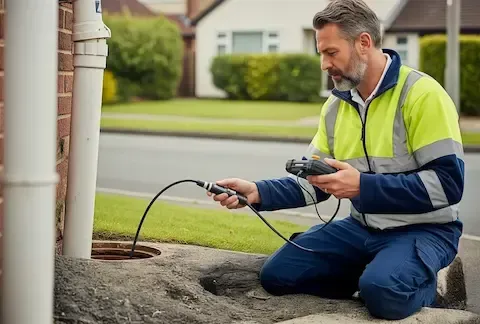
Modern sewer line diagnosis begins with video camera inspection, a non-invasive method that provides real-time footage of your pipe's interior condition. Technicians insert a waterproof camera attached to a flexible cable through a cleanout or toilet drain, navigating the entire length of your sewer line to the street connection.
The camera inspection reveals the exact nature and location of problems, including root intrusion severity, pipe material condition, joint separations, and any collapsed sections. This diagnostic information proves essential for determining whether spot repairs can address the issues or if complete line replacement becomes necessary.
During the inspection process, technicians document findings with timestamped video footage and still images showing specific problem areas. This documentation helps you understand the recommended repairs and provides valuable information for insurance claims if applicable.
The inspection also identifies the depth and route of your sewer line, critical information for planning repair methods and obtaining necessary permits from the City of Grand Forks. Understanding your system's layout helps avoid conflicts with other utilities and minimizes disruption to your landscaping during repairs.
Traditional Excavation vs Trenchless Repair Methods
Traditional excavation involves digging trenches to access damaged sewer pipes directly. This method provides complete access for repairs and allows replacement of severely damaged sections with new materials. Excavation works well for localized damage, multiple problem areas close together, or when pipes have completely collapsed.
The excavation process requires heavy equipment to dig through Grand Forks' challenging soil conditions, which can include clay layers and seasonal frost penetration. Contractors must coordinate with North Dakota One Call to mark utility locations and often need permits for street excavation if your sewer line crosses public property.
Trenchless repair methods, including pipe lining and pipe bursting, minimize surface disruption while effectively restoring sewer line function. Pipe lining involves inserting a resin-coated liner into the existing pipe, then inflating and curing it to create a new pipe within the old one. This method works excellently for pipes with minor to moderate damage but intact structural integrity.
Pipe bursting replaces the entire sewer line by pulling a new pipe through the old one while simultaneously fracturing the damaged pipe. This trenchless method proves ideal for severely damaged pipes that cannot be lined but where excavation would be extremely disruptive or expensive.
Root Intrusion Management and Prevention
Tree root intrusion represents the most common cause of sewer line problems in Grand Forks residential areas. Mature trees, particularly willows, maples, and elms common in local neighborhoods, extend root systems that can reach sewer lines located 50 feet or more from the tree trunk.
Roots enter sewer pipes through the smallest cracks or loose joints, drawn by the moisture and nutrients found in wastewater. Once inside, they multiply rapidly and create dense masses that trap debris and eventually block the entire pipe. The longer roots remain in your sewer line, the more expensive removal becomes.
Professional root removal involves specialized cutting equipment that clears existing root masses while minimizing damage to pipe walls. However, mechanical root removal provides only temporary relief unless you address the underlying pipe damage that allowed initial root entry.
Preventing future root intrusion requires sealing pipe joints and cracks through lining or replacement. Some homeowners consider chemical root treatments, but these products can damage pipes and harm beneficial soil bacteria. The most effective long-term approach combines proper repairs with strategic landscaping choices that direct tree plantings away from sewer line routes.
Clay Pipe Replacement Considerations
Many Grand Forks homes built before 1980 have clay sewer pipes that are reaching the end of their useful life. Clay pipes were popular for decades due to their resistance to chemical corrosion, but they have significant weaknesses that become problematic over time.
Clay pipe joints rely on rubber gaskets or mortar connections that deteriorate with age and ground movement. North Dakota's freeze-thaw cycles create additional stress that can crack clay pipes or separate joints. Once compromised, clay pipes allow root intrusion and ground infiltration that quickly worsen the damage.
Replacing clay pipes typically involves installing modern PVC or ABS plastic pipes that offer superior flexibility and joint integrity. These materials resist root penetration and handle ground movement much better than clay. The installation process requires careful attention to proper bedding and backfill techniques to ensure long-term stability.
When replacing clay sewer lines, contractors must consider the connection method to existing municipal systems. Some areas of Grand Forks still use clay pipes in the street connections, requiring compatible transition fittings and proper sealing techniques to prevent future joint failures.
Backup Prevention and System Protection
Preventing sewer backups protects your property from extensive damage and health hazards associated with sewage contamination. Installing a mainline backwater valve provides mechanical protection by automatically closing when sewage attempts to flow backward into your home during system overloads or downstream blockages.
Regular maintenance helps identify potential problems before they cause backups. Annual camera inspections for homes with aging sewer lines or previous root problems allow early intervention when issues are still manageable and less expensive to address.
Proper waste disposal practices significantly reduce the risk of sewer line blockages. Avoid flushing feminine products, baby wipes, cat litter, or excessive amounts of toilet paper. Kitchen waste like grease, coffee grounds, and food scraps should never enter your sewer system through garbage disposals or drain disposal.
Understanding your home's drainage patterns helps you recognize when problems develop. Keep track of which drains slow down first during sewer line issues, as this information helps technicians diagnose problems more quickly and accurately during service calls.
Local Regulations and Permit Requirements
Sewer line repairs in Grand Forks must comply with city building codes and obtain appropriate permits before work begins. The City of Grand Forks requires permits for most sewer line repairs, especially those involving excavation in streets or sidewalks or connections to the municipal sewer system.
Licensed plumbing contractors handle permit applications and ensure repairs meet local code requirements. These regulations specify proper materials, installation methods, and inspection procedures that protect both your property and the municipal sewer system. Working with unlicensed contractors can result in code violations that require expensive corrections.
If your sewer line crosses city property or connects to municipal infrastructure, additional approvals may be required. The city's public works department coordinates these repairs to minimize disruption to traffic and other utilities. Street excavation typically requires traffic control measures and restoration of pavement surfaces to city standards.
Property owners remain responsible for sewer line maintenance from their home to the point of connection with city systems, typically located at the property line or street centerline. Understanding this responsibility helps you plan for maintenance costs and ensures prompt attention to problems that could affect neighborhood sewer systems.
Emergency Repair Timeline and Expectations
Sewer line emergencies require immediate attention to prevent property damage and health hazards. Most reputable Grand Forks plumbing contractors offer 24-hour emergency services for severe backups or complete system failures that threaten your home's habitability.
Emergency response typically begins with temporary measures to stop active backups and protect your property. This might involve water extraction, temporary bypasses, or isolation of affected areas while permanent repairs are planned. Quick action in the first few hours can significantly reduce damage restoration costs.
Non-emergency sewer line repairs usually require 1-3 days for completion, depending on the extent of damage and chosen repair method. Trenchless repairs often complete faster than excavation projects, but weather conditions and soil stability can affect timelines for any repair method.
Planning ahead for potential sewer line issues helps minimize disruption when problems occur. Knowing your sewer line's age, previous repair history, and current condition through periodic inspections allows you to schedule repairs during convenient times rather than waiting for emergency situations. Consider reviewing sump pump installation options as additional protection against water damage during sewer line problems.
Spring is when most of these calls come in, and Red River Valley sewer backups in Grand Forks homes explains why the low-lying neighborhoods flood every thaw.
