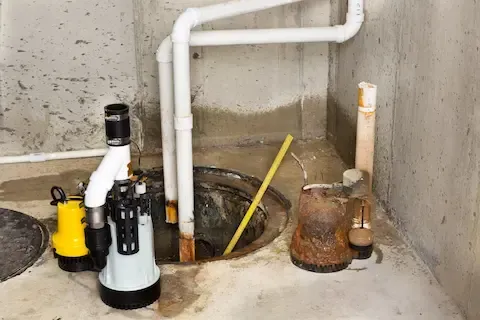
Sump Pump Installation Grand Forks: Basement Safety
Sump pump installation in Grand Forks requires careful planning due to the unique challenges of Red River Valley flooding and North Dakota's extreme weather conditions. Your basement's protection depends on proper pit placement, adequate pump sizing, and compliance with local drainage regulations that account for seasonal water table fluctuations.
Understanding Grand Forks Sump Pump Requirements
Grand Forks basements face distinct water management challenges due to clay soil composition and the proximity to the Red River. The city's history of significant flooding events, particularly the devastating 1997 flood, has shaped current building codes and best practices for basement waterproofing systems.
Modern sump pump installations must accommodate both groundwater infiltration and potential surface water intrusion. The Red River Valley's flat topography means water moves slowly through the landscape, creating prolonged periods of elevated groundwater levels during spring melts and heavy precipitation events.
Local soil conditions include expansive clay that can shift and crack foundation walls, creating new entry points for water. Your sump system must be robust enough to handle not just normal groundwater seepage but also emergency situations where basement flooding could occur rapidly.
Professional Sump Pump Installation services in Grand Forks understand these regional factors and can design systems that meet both immediate needs and long-term reliability requirements.
Sump Pit Location and Excavation
Proper pit placement is critical for effective water collection in Grand Forks basements. The ideal location is typically the lowest point of the basement floor, often in a corner where two foundation walls meet. However, clay soil conditions may require multiple collection points or strategic placement to intercept water before it spreads across the basement floor.
Excavation depth must extend below the basement floor level while accounting for the frost line, which in Grand Forks can reach four feet deep. The pit should be at least 18 inches deep and 18 inches in diameter to accommodate the pump and allow for proper water collection volume.
Foundation wall proximity affects discharge routing options. Pits located near exterior walls provide shorter discharge runs but may require careful waterproofing to prevent the system from becoming a water entry point during extreme weather events.
Clay soil excavation presents unique challenges, as the material can be difficult to remove when wet and may require specialized equipment. The pit walls must be properly supported to prevent collapse, and gravel backfill around the pit liner helps facilitate water movement from surrounding soil.
Perimeter Drain Integration
Many Grand Forks installations benefit from connecting the sump pit to existing or new perimeter drainage systems. French drains installed along foundation walls can direct water to the sump pit before it enters the basement living space.
Perimeter systems work particularly well in clay soil because they create defined pathways for water movement. Without these channels, water can accumulate against foundation walls and create hydrostatic pressure that forces moisture through basement walls.
Pump Sizing for Red River Valley Conditions
Pump capacity must match the specific water infiltration rates common in Grand Forks area basements. Standard residential pumps range from 1/4 horsepower to 3/4 horsepower, but Red River Valley conditions often require higher capacity units or dual pump systems for reliability.
Flow rate calculations must account for spring snowmelt periods when groundwater levels can rise rapidly. A typical Grand Forks basement may need a pump capable of moving 35-50 gallons per minute during peak conditions, significantly higher than the 10-20 gallons per minute sufficient in drier climates.
Head pressure requirements depend on discharge distance and elevation changes. Many Grand Forks properties require pumping water 8-12 feet vertically and 50-100 feet horizontally to reach appropriate drainage areas, demanding pumps with adequate pressure capabilities.
Backup power considerations are essential given North Dakota's severe weather patterns. Ice storms and blizzards can cause extended power outages precisely when sump pumps are needed most. Battery backup systems or water-powered backup pumps provide insurance against basement flooding during emergencies.
Dual Pump Systems
High-risk properties in Grand Forks often benefit from dual pump installations. Primary and secondary pumps can alternate operation to extend equipment life, while providing redundancy during high-demand periods.
Dual systems also allow for different pump types, such as a standard submersible pump for normal conditions and a more powerful unit that activates during extreme water infiltration events.
Discharge Line Routing and Drainage
Discharge routing in Grand Forks must navigate frozen ground conditions for much of the year while ensuring water moves away from the foundation effectively. Discharge lines require burial below the frost line to prevent freezing, typically 3-4 feet deep in this region.
Surface drainage patterns across Grand Forks properties vary significantly due to the area's flat topography. Many installations require extended discharge runs to reach areas where water can flow away from the structure without pooling or returning to the foundation area.
Municipal storm drain connections may be available in some neighborhoods, but many properties require on-site drainage solutions. Dry wells, drainage swales, or connection to existing drainage ditches provide options for water disposal.
Freeze protection measures are mandatory for reliable year-round operation. Discharge line insulation, heat tape installation, or alternative routing through heated areas prevents winter system failures that could lead to basement flooding.
Understanding Frozen Pipe Repair in Grand Forks helps property owners recognize when discharge lines may be compromised by extreme cold and require professional attention.
Check Valve Installation
Check valves prevent discharged water from flowing back into the sump pit when the pump cycles off. In Grand Forks installations, check valves must be rated for the temperature extremes and potential ice formation that can affect valve operation.
Valve placement typically occurs just above the pump discharge connection and again near the point where the discharge line exits the basement. Multiple check valves provide redundancy against backflow issues.
Electrical and Control Systems
Electrical installation for sump pumps in Grand Forks requires GFCI protection and proper grounding to meet local electrical codes. The pump should connect to a dedicated circuit to prevent overloading and ensure reliable operation during high-demand periods.
Float switches must be selected for the specific pit dimensions and expected water level variations. Vertical float switches work well in narrow pits, while tethered floats provide reliable operation in wider installations.
Control panel options range from basic float activation to sophisticated systems that monitor pump operation, provide alarms for system failures, and integrate with home automation systems for remote monitoring capabilities.
Alarm systems alert homeowners to pump failures, power outages, or high water conditions before basement flooding occurs. Battery-powered alarms continue functioning during power failures when sump pump problems are most likely to develop.
Local Permit and Code Compliance
Grand Forks building codes require permits for most sump pump installations, particularly when electrical work or significant excavation is involved. The permit process ensures installations meet local standards for safety and proper water management.
Discharge regulations vary by neighborhood and may restrict where pumped water can be directed. Some areas prohibit discharge into sanitary sewer systems, while others have specific requirements for storm water management.
Inspection requirements typically include verification of proper electrical installation, adequate pit construction, and appropriate discharge routing. Professional installers familiar with Grand Forks requirements can navigate the permit process efficiently.
HOA or neighborhood restrictions may apply to discharge line routing or surface modifications required for installation. Checking these requirements before beginning work prevents costly modifications later.
Environmental Considerations
Grand Forks environmental regulations address impacts of sump pump discharge on local waterways and storm drainage systems. Proper installation helps protect the Red River watershed from contamination and excessive runoff.
Discharge timing and volume limits may apply during flood events when municipal storm systems are at capacity. Understanding these restrictions helps ensure compliance during critical periods.
Maintenance and Seasonal Preparation
North Dakota's extreme seasonal variations require specific maintenance approaches for sump pump systems. Spring preparation includes testing pump operation before snowmelt periods and ensuring discharge lines are clear of ice blockages.
Fall maintenance involves cleaning pit debris, testing backup systems, and preparing freeze protection measures for discharge lines. Battery backup systems require annual testing and battery replacement to ensure reliability.
Regular operation testing should occur monthly during active seasons to verify proper pump cycling and adequate flow rates. Testing frequency should increase during periods of high groundwater or anticipated severe weather.
Professional maintenance services can provide comprehensive system evaluation, including pump performance testing, electrical system inspection, and discharge line assessment to identify potential problems before they cause basement flooding.
Professional Installation Benefits
Professional sump pump installation in Grand Forks provides expertise in local soil conditions, code requirements, and climate-specific challenges that affect system performance. Experienced installers understand the unique aspects of Red River Valley water management and can design systems for long-term reliability.
Warranty protection through professional installation covers both equipment and labor, providing peace of mind for homeowners investing in basement protection systems. Professional installations also ensure compliance with manufacturer specifications that maintain equipment warranties.
System integration with existing basement waterproofing measures requires expertise to avoid conflicts between different water management approaches. Professional installers can coordinate sump pump systems with perimeter drains, foundation waterproofing, and other moisture control measures.
Emergency service availability through professional installers provides critical support during system failures or extreme weather events when basement flooding risks are highest.
Getting the capacity right is the other half of the job, and sump pump sizing for Grand Forks basements shows how to match gallons per hour to your water table.
