Grand Forks Kitchen Drain Clogs From Grease Buildup
Kitchen drain clogs from grease buildup present a particularly challenging problem for Grand Forks homeowners. The combination of North Dakota's harsh winter temperatures and everyday cooking practices creates the perfect storm for stubborn blockages that can bring your kitchen to a standstill. Understanding why these clogs form and how to address them effectively can save you time, money, and frustration.
Why Grease Clogs Form More Readily in Grand Forks
Grand Forks' extreme cold weather plays a significant role in how quickly grease solidifies in your plumbing system. When hot cooking oils and fats travel down your drain, they begin cooling immediately upon contact with cold pipes. During winter months, when ground temperatures drop well below freezing, this cooling process accelerates dramatically.
The temperature differential between hot grease and frozen ground creates an almost instantaneous solidification effect. What might remain liquid long enough to reach the main sewer line in warmer climates becomes a thick, waxy coating inside your pipes within feet of your kitchen sink. This North Dakota-specific challenge means that even small amounts of grease can create significant blockages over time.
Common sources of grease buildup include bacon fat, butter, cooking oils, meat drippings, and dairy products. Even seemingly harmless substances like salad dressings and mayonnaise contribute to the accumulation. When combined with food particles and soap residue, these materials create a dense mass that restricts water flow and traps additional debris.
Early Warning Signs of Grease-Related Blockages
Recognizing the early symptoms of grease buildup allows you to address problems before they become major blockages. Slow-draining water is typically the first indicator, especially when it occurs gradually over several weeks. You might notice that your sink takes longer to empty after washing dishes or that water pools around the drain during food preparation.
Gurgling sounds coming from the drain often signal air displacement caused by restricted water flow. These noises become more pronounced as the blockage worsens. Additionally, unpleasant odors emanating from the drain indicate trapped food particles decomposing within the grease matrix.
Water backing up into the sink during dishwasher operation suggests that the shared drain line has significant restriction. This symptom requires immediate attention, as continued use can lead to water damage and unsanitary conditions. Professional Drain Cleaning services can assess the severity and recommend appropriate solutions.
At-Home Solutions for Minor Grease Clogs
Several household methods can effectively address minor grease accumulations before they require professional intervention. Hot water flushing represents the simplest approach, though it requires proper technique to be effective. Pour very hot water down the drain in stages, allowing each portion to work through the pipes before adding more.
A mixture of baking soda and white vinegar creates a chemical reaction that can break down light grease deposits. Pour one cup of baking soda followed by one cup of vinegar, cover the drain for fifteen minutes, then flush with hot water. This method works best for preventive maintenance rather than severe blockages.
Dish soap combined with hot water leverages the degreasing properties of modern detergents. Squirt a generous amount of grease-cutting dish soap into the drain, followed by the hottest water your pipes can safely handle. Allow the mixture to work for thirty minutes before flushing again.
Manual removal using a drain snake or wire coat hanger can extract visible blockages near the surface. However, grease clogs often form deeper in the system where home tools cannot reach effectively. Attempting to force amateur tools too far into the plumbing can cause additional damage.
When Professional Intervention Becomes Necessary
Certain situations require professional drain cleaning equipment and expertise. Complete blockages that prevent any water drainage demand immediate professional attention. Standing water in your sink creates sanitary concerns and prevents normal kitchen function.
Recurring clogs that return shortly after home treatment indicate deeper systemic issues. Grease accumulation in main drain lines requires specialized equipment like motorized drain snakes or hydro-jetting systems. These tools can remove blockages and clean pipe walls more thoroughly than household methods.
Multiple drain backups occurring simultaneously suggest problems in your home's main sewer connection. This situation requires professional diagnosis to determine whether the issue stems from grease buildup, tree root intrusion, or municipal sewer problems.
Foul odors that persist despite cleaning attempts often indicate decomposing organic matter trapped within grease deposits. Professional cleaning removes both the blockage and the source of contamination, restoring proper drainage and eliminating health concerns.
Preventive Measures for Grand Forks Kitchens
Establishing proper grease disposal habits significantly reduces the likelihood of future clogs. Never pour cooking oils, bacon grease, or other fats directly down the drain. Instead, collect these materials in disposable containers and place them in the regular trash once solidified.
Scraping plates thoroughly before washing removes most food particles and grease residue. Using paper towels to wipe greasy pans before washing prevents large quantities of oil from entering your drain system. This simple step proves especially important during Grand Forks' winter months when grease solidifies quickly.
Running hot water for fifteen to thirty seconds after each use helps clear minor accumulations before they harden. However, avoid relying solely on hot water for grease disposal, as this merely moves the problem further down the line where it becomes more difficult to address.
Regular maintenance cleaning using enzymatic drain treatments can break down organic matter before it contributes to blockages. These biological solutions work slowly but effectively to maintain clear pipes without harsh chemicals that might damage your plumbing system.
Understanding Professional Drain Cleaning Methods
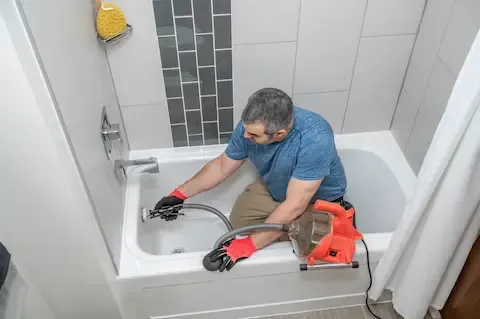
Professional plumbers employ various techniques depending on the severity and location of grease blockages. Motorized drain snakes feature cutting attachments specifically designed to break through grease deposits and remove accumulated debris. These tools can navigate bends and reach blockages throughout your home's drain system.
Hydro-jetting uses high-pressure water streams to scour pipe walls clean of grease buildup and other accumulations. This method proves particularly effective for removing stubborn deposits that have hardened over months or years. The process also helps prevent future blockages by thoroughly cleaning the entire pipe diameter.
Video inspection technology allows professionals to identify the exact location and nature of blockages before beginning work. This diagnostic approach ensures that the most appropriate cleaning method is selected and helps identify any underlying pipe damage that might contribute to recurring problems.
For comprehensive information about professional services available in the area, Drain Cleaning in Grand Forks provides detailed coverage of local options and service approaches.
Long-Term Pipe Health in Cold Climates
Maintaining clear drains in Grand Forks requires understanding how cold weather affects your entire plumbing system. Frozen ground temperatures can cause pipes to contract slightly, creating tighter spaces where grease accumulation becomes more problematic. Regular professional maintenance helps identify potential issues before they become major problems.
Insulating exposed drain lines in basement areas helps maintain slightly higher temperatures that keep grease more fluid for longer periods. While this won't prevent all accumulation, it can reduce the speed at which blockages form and make home remedies more effective.
Scheduling annual professional drain cleaning before winter arrives ensures that your pipes enter the cold season in optimal condition. This proactive approach proves more cost-effective than emergency service calls during North Dakota's harsh winter months when access and working conditions become more challenging.
