Drain Cleaning in Grand Forks: Clog Prevention 101
Drain problems in Grand Forks homes develop gradually, often starting with minor slow drainage that homeowners dismiss until complete blockages force emergency calls. Understanding how clogs form and implementing preventive measures can save you from costly repairs and the inconvenience of backed-up sinks, showers, and floor drains during North Dakota's harsh winters when outdoor access becomes challenging.
Common Drain Problems in Grand Forks Homes
Kitchen drains face constant assault from grease, food particles, and soap residue that accumulate over time. In Grand Forks, the combination of hard water minerals and cooking oils creates particularly stubborn buildup that standard drain cleaners cannot dissolve effectively. Bathroom drains collect hair, soap scum, and personal care products that form dense clogs, while laundry room drains handle lint, detergent residue, and fabric softener buildup.
Main sewer lines serving Grand Forks properties encounter additional challenges from tree root intrusion, especially from mature elm and ash trees common in established neighborhoods. Clay pipes installed in older homes become vulnerable to root penetration, while newer PVC systems resist root damage but can suffer from improper installation or ground settling.
Floor drains in basements and utility rooms often become forgotten until water backing up signals a serious problem. These drains handle condensation from HVAC systems, water heater overflow, and occasional flooding, making them prone to sediment accumulation and mineral deposits from Grand Forks' hard water supply.
Kitchen lines are their own case, and grease buildup in Grand Forks kitchen drains explains why cold pipes set grease so fast here.
Early Warning Signs of Developing Clogs
Slow drainage represents the most obvious early indicator of developing clogs, but many homeowners wait until water stops draining completely before taking action. Professional Drain Cleaning services recommend addressing drainage issues when water takes more than a few seconds to clear from sinks or when shower water pools around your feet.
Unusual sounds coming from drains indicate air displacement as water navigates around partial blockages. Gurgling noises from kitchen sinks when running the dishwasher, or bubbling sounds from bathroom drains during shower use, suggest developing restrictions in your drain lines that warrant professional attention.
Odors emanating from drains signal organic matter decomposition or sewer gas infiltration through damaged pipe seals. Kitchen drains may develop food-related smells, while bathroom drains can produce musty odors from trapped moisture and bacterial growth. These conditions often worsen during Grand Forks' humid summer months when bacterial activity increases.
Water backing up into adjacent fixtures indicates shared drain line problems that require immediate attention. When toilet flushing causes bathtub drainage or kitchen sink water appears in floor drains, your main sewer line likely needs professional cleaning or repair.
Effective Prevention Strategies for Different Drain Types
Kitchen drain maintenance begins with proper grease disposal practices. Never pour cooking oils, fats, or grease down kitchen drains, as these substances solidify when cooled and create stubborn blockages that attract food particles and soap residue. Instead, collect grease in disposable containers and throw them away with regular trash.
Install mesh screens or strainers in all kitchen sinks to catch food particles before they enter drain lines. Clean these strainers regularly and avoid using garbage disposals for fibrous materials like celery, onion skins, or coffee grounds that can wrap around disposal blades or accumulate in drain pipes.
Bathroom drain protection focuses on hair and soap management. Install hair catchers in shower and bathtub drains, cleaning them weekly to prevent hair accumulation. Use liquid soap instead of bar soap when possible, as bar soap combines with hard water minerals to create soap scum that adheres to pipe walls.
Regular hot water flushing helps dissolve soap residue and minor buildup in bathroom drains. Run hot water for several minutes weekly through each bathroom drain to maintain flow and prevent minor clogs from developing into major blockages.
Laundry Room and Utility Drain Maintenance
Laundry drain problems often stem from lint accumulation and detergent residue buildup. Clean your washing machine's lint filter regularly and consider installing an external lint trap on the drain hose to capture additional fibers before they enter your home's drainage system.
Use appropriate amounts of detergent and fabric softener, as excess products create residue that combines with lint to form dense clogs. High-efficiency washers require HE detergents that produce less suds and reduce drain line buildup compared to conventional detergents.
Floor drains in utility rooms need periodic cleaning to remove sediment and debris that accumulates over time. Pour a bucket of hot water down these drains monthly to clear light buildup and ensure proper drainage during emergencies or equipment malfunctions.
Professional Cleaning Methods and When to Use Them
Hydro jet cleaning represents the most effective method for clearing stubborn clogs and removing accumulated buildup from drain lines. This process uses high-pressure water streams to scour pipe walls clean, removing grease, soap scum, mineral deposits, and tree roots that standard drain snakes cannot address effectively.
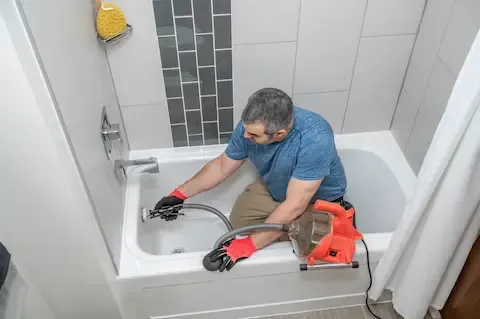
Professional drain snaking works well for localized clogs caused by hair, food particles, or foreign objects lodged in drain lines. Experienced technicians use various snake sizes and attachments to navigate different pipe configurations and break up blockages without damaging older pipe materials.
Video inspection services help identify the exact location and nature of drain problems before cleaning begins. This diagnostic approach prevents unnecessary work and ensures technicians select appropriate cleaning methods for specific situations, whether dealing with simple clogs or more complex structural issues.
Chemical drain cleaning should be left to professionals who understand proper application techniques and safety protocols. Commercial-grade drain cleaners can dissolve organic matter and mineral buildup effectively when used correctly, but improper application can damage pipes or create dangerous chemical reactions.
Common Mistakes That Worsen Drain Problems
Over-the-counter drain cleaners often provide temporary relief while creating long-term problems. Chemical drain cleaners can corrode older metal pipes, damage rubber seals, and leave caustic residue that attracts future buildup. These products rarely address root causes of drain problems and may worsen conditions by partially dissolving clogs that then resettle deeper in drain lines.
Excessive force when using drain snakes can damage pipe interiors or push clogs deeper into the system where they become more difficult to remove. Inexperienced homeowners may puncture drain pipes or create new problems by using inappropriate snake sizes or techniques for their specific drainage systems.
Ignoring early warning signs allows minor problems to develop into major blockages that require expensive emergency repairs. What begins as slow drainage can progress to complete blockages that cause water damage, health hazards from sewage backup, or costly excavation to repair damaged main sewer lines.
Attempting DIY repairs on main sewer lines poses significant health and safety risks while potentially violating local plumbing codes. Water Heater Repair specialists understand that complex drainage issues require proper equipment, training, and permits that professional services provide.
Local Considerations for Grand Forks Properties
Grand Forks' hard water supply creates unique challenges for drain maintenance due to high mineral content that accelerates buildup in pipes and fixtures. Calcium and magnesium deposits combine with soap and organic matter to create dense accumulations that require professional removal methods.
Seasonal temperature variations affect drain performance, with winter freezing potentially damaging exposed pipes and spring thaw creating additional water pressure that can reveal previously hidden drainage problems. Summer humidity encourages bacterial growth in drains, while fall leaf accumulation can block outdoor drain openings.
Older neighborhoods in Grand Forks often feature mature tree root systems that actively seek water sources, making main sewer lines vulnerable to root intrusion. These established trees provide valuable shade and property value but require proactive drain maintenance to prevent costly root damage.
City water pressure variations can affect drainage performance, particularly in properties with older plumbing systems that may not handle pressure changes well. Understanding your property's specific drainage challenges helps prevent problems and ensures appropriate maintenance schedules.
Professional Service Selection and Timing
Emergency drain cleaning services cost significantly more than scheduled maintenance, making preventive care a wise investment for Grand Forks homeowners. Establish relationships with reputable local plumbing professionals before problems arise to ensure prompt service when emergencies occur.
Seasonal maintenance scheduling works best during spring and fall when moderate weather allows easier access to outdoor drain components and main sewer line connections. Avoid waiting until winter when frozen ground and harsh weather conditions complicate repair work and increase service costs.
Look for drain cleaning services that offer video inspection capabilities, as this technology provides valuable diagnostic information that guides appropriate treatment methods. Companies that invest in modern equipment typically deliver more effective results with less disruption to your property.
Professional services should provide detailed explanations of drainage problems found, treatment options available, and preventive measures homeowners can implement. Educational approaches indicate companies focused on long-term customer relationships rather than simply addressing immediate problems.
Long-Term Drain Health and Property Protection
Consistent drain maintenance protects your Grand Forks property investment by preventing water damage, foundation problems, and expensive emergency repairs. Well-maintained drainage systems also support proper home hygiene and prevent health hazards associated with sewage backup or standing water.
Document drainage maintenance activities and professional service dates to establish patterns that help predict future needs and support warranty claims if problems develop. Regular maintenance records also add value when selling property by demonstrating responsible homeownership.
Understanding your property's specific drainage characteristics helps optimize maintenance schedules and identify potential problems before they become serious. Factors like soil type, tree coverage, home age, and pipe materials all influence appropriate care strategies for your drainage system.
Investing in professional drain cleaning services when problems first develop costs significantly less than emergency repairs or property damage restoration. Proactive maintenance approaches protect both your immediate comfort and long-term property value while ensuring reliable drainage performance throughout Grand Forks' challenging seasonal conditions.
