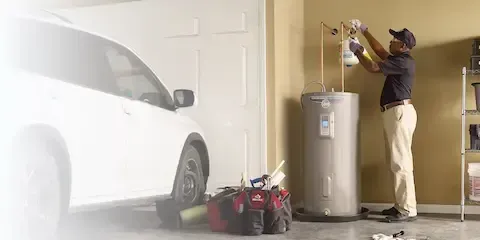
Water Heater Repair Grand Forks ND: Homeowner Handbook
Water heater failures in Grand Forks homes typically happen at the worst possible times – during the coldest winter months or when you're rushing to get ready for work. Understanding common water heater problems, what you can safely check yourself, and when to call a professional can save you time, money, and the frustration of cold showers. Whether your unit is gas or electric, older or newer, certain warning signs and failure patterns appear consistently across different water heater types and brands.
Common Water Heater Failures in Grand Forks Homes
North Dakota's harsh winters put extra strain on water heating systems, leading to several predictable failure modes. The most frequent issue homeowners encounter is complete loss of hot water, which can stem from failed heating elements in electric units or pilot light problems in gas systems. Sediment buildup accelerates in Grand Forks due to the area's mineral-rich water supply, causing efficiency loss and premature component failure.
Leaking water heaters present another common problem, ranging from minor drips around fittings to catastrophic tank ruptures. Temperature and pressure relief valve malfunctions occur frequently, especially in units over eight years old. Strange noises – popping, crackling, or rumbling sounds – typically indicate sediment accumulation on the tank bottom, creating hot spots that stress the tank walls.
Inconsistent water temperature, where hot water runs out quickly or never reaches desired temperatures, usually points to thermostat problems or undersized units. Rusty or discolored hot water suggests internal tank corrosion or anode rod failure, both serious issues requiring immediate attention.
Gas Water Heater Troubleshooting Steps
Before calling for professional Water Heater Repair, you can safely check several components on gas water heaters. Start by verifying the pilot light status – if it's out, check for gas supply issues and follow the manufacturer's relighting instructions carefully. Never attempt to light a pilot if you smell gas; instead, turn off the gas supply and ventilate the area immediately.
Examine the thermostat setting, ensuring it's set between 120-140 degrees Fahrenheit. Check that the gas supply valve is fully open and that circuit breakers haven't tripped. Look for obvious signs of damage around the unit, including rust, corrosion, or water pooling beneath the tank.
The temperature and pressure relief valve should not be leaking or showing signs of frequent activation. If you notice mineral deposits or corrosion around this valve, it likely needs replacement. Gas water heaters also have a combustion air supply requirement, so ensure vents and air intakes aren't blocked by debris or storage items.
When Gas Water Heater DIY Stops
Several situations require immediate professional intervention for gas water heaters. Any gas odor around the unit demands emergency response – shut off the gas supply, evacuate the area, and call both your utility company and a licensed plumber. Pilot lights that won't stay lit after multiple attempts, unusual flame colors, or flames that don't heat the thermocouple properly indicate gas system problems requiring professional diagnosis.
Internal component failures like faulty gas controls, thermocouples, or burner assemblies need professional repair or replacement. Never attempt to disassemble gas components or modify gas piping yourself, as these actions violate building codes and create serious safety hazards.
Electric Water Heater Diagnostic Process
Electric water heater problems often relate to heating element failure or electrical supply issues. Begin troubleshooting by checking the electrical panel for tripped breakers – water heaters typically use 30-50 amp double-pole breakers that can trip individually. Reset any tripped breakers and test for hot water after allowing 30-60 minutes for heating.
If breakers haven't tripped, check the high-temperature limit switch, usually located behind an access panel on the unit's side. This red reset button may need pressing if the system overheated and shut down automatically. After resetting, wait several hours before determining if the fix was successful.
Temperature settings should be verified on both upper and lower thermostats – electric water heaters typically have two heating elements controlled by separate thermostats. Both should be set to the same temperature, usually 120-140 degrees Fahrenheit.
Electric Water Heater Professional Territory
Electrical water heater repairs venture into professional territory quickly due to high-voltage requirements and potential shock hazards. Heating element replacement, while seemingly straightforward, requires electrical expertise and proper testing equipment to ensure safe installation. Thermostat failures, wiring problems, and electrical supply issues all demand licensed electrician involvement.
Never attempt to remove access panels or test electrical components with standard household tools. Water and electricity create lethal combinations, and electrical work on water heaters falls under permit and inspection requirements in most Grand Forks residential areas.
Recognizing Emergency Situations
Certain water heater conditions constitute emergencies requiring immediate professional response. Active water leaks, especially from the tank bottom or pressure relief valve, can cause significant property damage and indicate imminent system failure. Gas odors around water heaters present serious explosion and carbon monoxide risks.
Water temperatures exceeding 160 degrees Fahrenheit or pressure relief valves that discharge repeatedly signal dangerous pressure buildup inside the tank. These conditions can lead to catastrophic failures, including tank explosions. Unusual electrical activity, including sparking, burning smells, or frequently tripping breakers, also demands immediate professional attention.
Carbon monoxide symptoms in family members – headaches, dizziness, or nausea – especially when occurring near the water heater location, require immediate evacuation and emergency services contact. Gas water heaters produce carbon monoxide, and improper ventilation or component failures can create deadly situations.
When a failure lands in the middle of a deep freeze, hot water heater failure in freezing temps covers the emergency steps and how to stage a same-day replacement.
Preventive Maintenance for Grand Forks Water Heaters
Regular maintenance extends water heater life and prevents many common failures. Annual tank flushing removes sediment buildup that accelerates component wear and reduces efficiency. This process involves connecting a garden hose to the drain valve and flushing until water runs clear – typically requiring 10-20 minutes in Grand Forks due to mineral content.
Anode rod inspection and replacement every 3-5 years prevents internal tank corrosion. These sacrificial rods attract corrosive elements that would otherwise attack the tank walls. Temperature and pressure relief valve testing ensures proper operation – lift the valve lever annually and verify that water flows freely then stops completely when released.
Insulation upgrades reduce heat loss and lower operating costs, particularly important during North Dakota winters. Pipe insulation on hot water lines prevents heat loss and reduces wait times for hot water at fixtures throughout your home.
Professional Maintenance Benefits
Professional maintenance visits provide comprehensive system evaluation beyond basic homeowner tasks. Technicians can perform combustion analysis on gas units, ensuring proper burning and ventilation. Electrical testing identifies potential problems before they cause failures, and professional equipment allows proper measurement of heating element resistance and thermostat operation.
Professional maintenance also includes safety inspections that homeowners cannot perform safely, such as gas leak testing, venting system evaluation, and electrical connection assessment. These services often identify problems early when repairs cost significantly less than emergency replacements.
Replacement Versus Repair Decisions
Age plays a crucial role in repair versus replacement decisions for water heaters. Units over 10-12 years old often cost more to repair than replace, especially when major components fail. Grand Forks's hard water accelerates wear, potentially shortening expected lifespans compared to manufacturer estimates.
Multiple recent repairs indicate declining system reliability and suggest replacement consideration. Rust-colored water, persistent leaks, or inadequate hot water production despite recent repairs often point toward replacement necessity rather than continued repair attempts.
Energy efficiency improvements in newer models can offset replacement costs through reduced utility bills. Modern water heaters offer significantly better insulation, more efficient heating elements, and improved controls compared to units installed even five years ago.
Sizing and Efficiency Considerations
Proper sizing ensures adequate hot water without unnecessary energy waste. Family size changes, additional bathrooms, or new appliances may require capacity increases during replacement. Professional load calculations account for peak usage periods and recovery requirements specific to your household's patterns.
Efficiency ratings dramatically impact operating costs over the unit's lifetime. Energy Factor ratings help compare different models, while features like heat pump water heaters or solar-assisted units may qualify for utility rebates in the Grand Forks area. Sewer Line Repair specialists often coordinate with water heater installations to ensure proper drainage connections.
Local Grand Forks Installation Requirements
Grand Forks building codes specify installation requirements for water heater replacements, including proper venting for gas units and electrical requirements for electric models. Permit requirements vary based on the installation scope, but most replacements require permits and inspections to ensure code compliance and safety.
Local contractors familiar with Grand Forks requirements can navigate permit processes efficiently and ensure installations meet all applicable codes. They understand specific requirements for basement installations, clearance requirements, and proper venting systems that work effectively in North Dakota's climate conditions.
Professional installation also ensures warranty coverage remains valid, as most manufacturers require licensed contractor installation for warranty claims. This protection becomes particularly valuable given the investment water heater replacement represents for most homeowners.
Emergency Response and Service Options
Water heater emergencies don't follow business hours, particularly during Grand Forks winters when system demands peak and failures become more likely. Many local plumbing services offer 24-hour emergency response for water heater problems, though emergency service rates typically exceed standard appointment costs.
Establishing relationships with reliable local contractors before emergencies occur provides faster response times and often better service rates. Many contractors offer maintenance agreements that include priority emergency service and reduced rates for repairs and replacements.
Temporary solutions like portable electric water heaters can provide limited hot water during emergency situations, but these devices require careful electrical considerations and shouldn't be considered permanent fixes. Professional assessment remains necessary even when temporary measures restore some functionality.
