Leak Detection Grand Forks ND: Hidden Water Damage
Water damage in Grand Forks homes often begins with leaks that remain completely invisible to homeowners for months or even years. These hidden leaks develop inside concrete slabs, behind drywall, within crawl spaces, and along underground service lines where traditional inspection methods fall short. Professional leak detection services utilize advanced acoustic equipment, thermal imaging cameras, and specialized pressure testing systems to locate these concealed problems before they cause extensive structural damage or create dangerous mold conditions.
Understanding Hidden Water Leak Patterns
Hidden water leaks in Grand Forks properties typically develop in several predictable locations based on local construction methods and seasonal temperature variations. Slab leaks occur when copper or PEX water lines embedded in concrete foundations develop pinhole leaks or joint failures. Wall leaks happen inside finished spaces where supply lines run through framing cavities, often behind kitchen cabinets or bathroom fixtures. Underground leaks affect service lines running from city water mains to homes, particularly where pipes pass through unstable soil conditions common throughout the Red River Valley region.
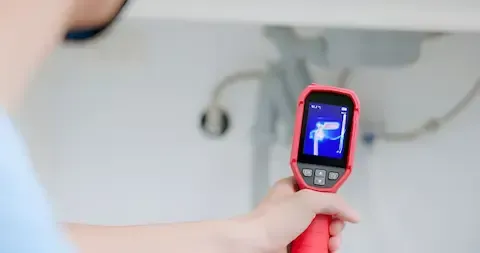
Modern leak detection technology can pinpoint these problems with remarkable precision. Acoustic leak detection equipment amplifies the sound of water escaping under pressure, allowing technicians to trace leak locations through concrete, soil, or finished wall surfaces. Thermal imaging cameras reveal temperature differences caused by water movement, showing cool spots where leaks occur or warm areas indicating pipe locations. Pressure testing isolates specific sections of plumbing systems to confirm leak presence and severity before any destructive excavation begins.
The challenge with hidden leaks lies in their ability to cause damage while remaining completely undetectable through normal visual inspection. A small pinhole leak in a slab can release hundreds of gallons over time, saturating soil beneath foundations and creating conditions for structural settling. Wall leaks often manifest as subtle discoloration or texture changes that homeowners dismiss as normal wear, while underground leaks can undermine sidewalks, driveways, or foundation systems without producing obvious surface symptoms.
Advanced Detection Equipment and Methods
Professional leak detection relies on sophisticated equipment designed to locate water escapes without destructive investigation methods. Electronic leak detection devices use sensitive microphones and amplification systems to detect the distinctive sound signature of pressurized water escaping through small openings. These sounds travel through solid materials like concrete, wood, and metal, allowing technicians to trace leak locations from accessible areas without opening walls or breaking concrete.
Thermal imaging represents another crucial detection method, particularly effective for locating leaks in radiant heating systems, hot water lines, or areas where temperature differences indicate moisture problems. Infrared cameras reveal heat patterns invisible to human perception, showing exactly where pipes run behind finished surfaces and identifying spots where water temperature changes suggest leak activity. This technology proves especially valuable in Grand Forks homes with complex heating systems or multi-level construction where traditional methods struggle to provide accurate results.
Pressure testing isolates problems within specific sections of plumbing systems, allowing technicians to confirm leak presence and estimate severity before beginning repair work. Static pressure tests measure system integrity over time periods, while dynamic testing evaluates performance under normal operating conditions. These methods help distinguish between actual leaks and pressure drops caused by thermal expansion, fixture operation, or system design issues that might otherwise complicate diagnosis.
Leak Detection services combine these technologies with traditional investigation methods to provide comprehensive evaluation of suspected leak problems. Video camera inspection of drain lines, visual examination of accessible pipes, and moisture measurement using specialized meters help create complete pictures of plumbing system conditions and guide repair decisions.
Common Leak Locations in Grand Forks Homes
Certain areas within Grand Forks residential properties experience higher rates of hidden leak development due to construction practices, soil conditions, and climate factors specific to the region. Basement slab leaks occur frequently in homes built during specific decades when copper pipe installation methods created stress points vulnerable to corrosion and thermal expansion damage. These leaks typically develop at joints, fittings, or areas where pipes contact concrete containing aggressive minerals.
Kitchen and bathroom walls conceal numerous water supply connections that can develop leaks over time, particularly behind built-in fixtures, appliance connections, or areas where pipes penetrate exterior walls. Temperature fluctuations common in North Dakota winters create expansion and contraction cycles that stress joints and fittings, leading to gradual seal deterioration and eventual leak development. Wall cavities often contain insulation that absorbs leaked water, masking problems until significant damage occurs.
Underground service lines between city water mains and homes represent another common leak location, especially in older Grand Forks neighborhoods where original copper or galvanized steel pipes reach the end of their useful service life. Soil conditions in the Red River Valley can accelerate corrosion processes, while frost action during winter months creates ground movement that stresses buried pipes. These leaks often produce subtle symptoms like unexplained water pressure drops, wet spots in lawns, or gradual increases in water bills that homeowners attribute to other causes.
Crawl space and basement ceiling areas house numerous pipe connections, valve assemblies, and fixture supply lines that can develop leaks in hard-to-inspect locations. Poor ventilation in these spaces often creates conditions where small leaks cause rapid mold growth or wood rot before homeowners discover the underlying water problem.
Basement slab leaks give off specific early signals, and slab leak warning clues for Grand Forks basements lists the ones worth acting on.
Signs That Indicate Hidden Water Leaks
Hidden water leaks produce subtle warning signs that often go unrecognized until significant damage occurs. Unexplained increases in monthly water bills represent one of the most reliable early indicators, particularly when usage patterns remain consistent but costs continue rising over several billing cycles. Even small leaks can waste substantial amounts of water over time, creating measurable impacts on utility costs while remaining invisible to casual observation.
Structural symptoms include foundation settling, cracks in basement walls, or doors and windows that begin sticking or operating poorly due to slight building movement. These problems often develop gradually as hidden leaks saturate soil beneath foundations or compromise load-bearing elements within wall assemblies. Homeowners frequently attribute these symptoms to normal aging or seasonal temperature changes rather than underlying water damage.
Environmental indicators such as musty odors, increased humidity levels, or persistent condensation in certain areas suggest moisture problems that may originate from concealed leaks. Mold growth in unexpected locations, particularly areas without obvious moisture sources, often indicates hidden water intrusion from supply line leaks rather than drainage or ventilation problems.
Sound-related symptoms include hearing water running when all fixtures are turned off, gurgling noises from walls or floors, or changes in water pressure that suggest system integrity problems. These acoustic indicators provide valuable clues about leak locations and severity, helping guide professional detection efforts toward specific areas within complex plumbing systems.
Professional Detection Process and Timeline
Professional leak detection follows a systematic process designed to locate problems efficiently while minimizing disruption to normal household activities. Initial consultation involves reviewing utility bills, documenting symptoms, and conducting visual inspection of accessible plumbing components to identify obvious problems or areas requiring focused investigation. This preliminary evaluation helps technicians select appropriate detection methods and estimate time requirements for comprehensive system evaluation.
Acoustic detection typically begins the formal investigation process, using sensitive listening equipment to survey suspected areas for sounds indicating water escape under pressure. This method works effectively through concrete, drywall, and other building materials, allowing technicians to narrow search areas before deploying more specialized equipment. Acoustic detection usually requires 1-2 hours for complete residential system evaluation, depending on home size and complexity.
Thermal imaging follows acoustic detection in areas where temperature differences might reveal leak locations or pipe routing information. This technology proves particularly valuable for locating leaks in heated water lines, identifying moisture accumulation behind finished surfaces, or mapping supply line locations for repair planning. Thermal imaging typically adds 30-60 minutes to the detection process while providing crucial visual documentation of problem areas.
Pressure testing confirms leak presence and severity in suspected areas, helping determine repair urgency and method selection. Static pressure tests require several hours to complete accurately, while dynamic testing evaluates system performance under normal operating conditions. These tests provide definitive evidence of leak problems and help estimate repair costs before beginning invasive work.
Water Line Repair often follows immediately after leak detection when problems require urgent attention to prevent additional damage or restore normal water service to affected areas.
Cost Factors and Equipment Investment
Professional leak detection costs reflect the sophisticated equipment and specialized training required to locate hidden problems accurately without destructive investigation methods. Basic acoustic detection services typically cost less than extensive thermal imaging or pressure testing procedures, though comprehensive evaluation using multiple technologies provides the most reliable results for complex leak problems.
Equipment costs for professional-grade leak detection tools range from thousands to tens of thousands of dollars, representing significant investment in technology that most homeowners cannot justify for occasional use. Electronic listening devices, thermal imaging cameras, and pressure testing equipment require regular calibration, maintenance, and operator training to produce accurate results consistently.
Time factors significantly influence detection costs, as thorough investigation of large homes or complex plumbing systems requires several hours of systematic evaluation using multiple detection methods. Rush service for emergency leak situations typically commands premium pricing due to schedule disruption and immediate response requirements.
Comparison with excavation costs demonstrates the economic value of professional detection services, as accurate leak location prevents unnecessary concrete removal, landscaping damage, or wall opening that adds substantially to overall repair expenses. Precise detection often reduces total project costs by limiting destructive work to actual leak locations rather than broad search areas.
Preventing Future Hidden Leak Problems
Proactive measures can significantly reduce the likelihood of hidden leak development in Grand Forks homes, particularly through regular system maintenance and monitoring of early warning indicators. Annual plumbing inspections by qualified professionals help identify developing problems before they progress to actual leaks, focusing on connection points, valve assemblies, and areas where pipes experience unusual stress or exposure conditions.
Water pressure regulation prevents excessive stress on supply line connections and fixture assemblies that can accelerate wear and lead to premature failure. Pressure reducing valves installed at main service connections help maintain optimal operating pressures throughout residential systems, extending component service life and reducing leak probability.
Temperature protection during Grand Forks winters prevents freeze damage that commonly causes sudden leak development in exposed or inadequately insulated pipe sections. Proper insulation, heat tape installation, and thermostat settings help maintain pipe temperatures above freezing levels even during extended cold periods that characterize North Dakota winters.
Water quality treatment addresses corrosion problems that gradually weaken pipe walls and joint connections, leading to eventual leak development in older systems. Whole-house filtration, pH adjustment, or corrosion inhibitor treatment can significantly extend service life for existing plumbing components while preventing accelerated deterioration that commonly affects Grand Forks area water systems.
Regular monitoring of water bills, system pressure, and environmental conditions helps homeowners identify developing problems before they cause extensive damage. Simple pressure gauges, moisture meters, and systematic inspection routines provide early warning of changes that suggest hidden leak development requiring professional investigation.
