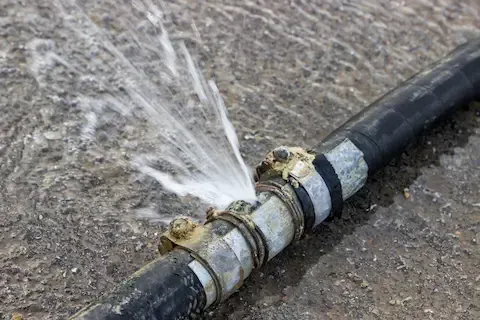
Water Line Repair Grand Forks ND: Buried Pipe Basics
Understanding Your Home's Water Line System
Your home's water line serves as the critical connection between the municipal water supply and your indoor plumbing system. In Grand Forks, ND, these buried pipes face unique challenges from our harsh winter conditions, soil composition, and aging infrastructure. Most residential water lines run 4-6 feet underground, below the frost line to prevent freezing during our sub-zero temperatures.
The main water line typically consists of a service line owned by the city that runs from the street to your water meter, and a private line that extends from the meter to your home. Understanding this distinction is crucial because repair responsibilities and costs vary depending on which section experiences problems. Most Grand Forks homes built before 1980 may have galvanized steel or even lead service lines, while newer construction typically features copper or plastic piping.
Water pressure in your home depends entirely on this buried line's integrity. When the line develops cracks, joints separate, or corrosion creates blockages, you'll notice immediate effects throughout your plumbing system. The Red River Valley's clay-rich soil can shift significantly during freeze-thaw cycles, putting additional stress on buried pipes and connections.
Recognizing Signs of Water Line Problems
Several warning signs indicate potential water line issues that require professional attention. Unexplained drops in water pressure throughout your home often signal line problems, especially when multiple fixtures are affected simultaneously. This differs from isolated fixture issues and typically indicates problems with the main supply.
Wet spots or unusually green patches in your yard, particularly during dry periods, frequently indicate underground leaks. In Grand Forks' climate, these signs become more apparent during spring thaw when underground leaks create surface moisture. You might also notice soggy areas that don't dry out, even after several days without precipitation.
Discolored water, particularly rusty or brown tinting, often indicates pipe corrosion or sediment intrusion through damaged sections. This problem is especially common in older Grand Forks neighborhoods where original galvanized lines are reaching the end of their service life. Strange tastes or odors in your water supply can also indicate contamination through cracked or damaged underground sections.
Unexpected increases in your water bill without corresponding usage changes strongly suggest hidden leaks in your buried line. Even small leaks can waste thousands of gallons monthly, creating significant cost increases. The Grand Forks Water Department can help you identify unusual usage patterns that might indicate underground leaks.
Listen for sounds of running water when all fixtures are turned off, particularly near your water meter or where the line enters your home. Hissing or bubbling sounds often indicate pressurized leaks in the buried system.
Common Causes of Water Line Failure
Age represents the primary factor in water line failure throughout Grand Forks residential areas. Homes built in the 1960s and 1970s often feature original galvanized steel lines that corrode from the inside out, eventually restricting flow and developing leaks. These pipes typically last 40-70 years, meaning many Grand Forks homes are approaching or exceeding their expected service life.
Freeze-thaw cycles create significant stress on buried pipes, even those installed below the frost line. Ground movement during spring thaw can shift pipe sections, separate joints, and create stress fractures. The Red River Valley's expansive clay soils compound this problem by expanding and contracting dramatically with moisture changes.
Tree root intrusion commonly affects water lines, particularly in established Grand Forks neighborhoods with mature landscaping. Roots naturally seek moisture sources and can penetrate even small cracks in buried pipes, eventually growing large enough to block flow or burst the line entirely. Cottonwoods and willows, common in our area, are particularly aggressive in seeking water sources.
Shifting foundations and settling can stress the connection points where water lines enter homes. This is especially problematic in newer construction areas around Grand Forks where soil has not fully settled. Poor initial installation, including inadequate bedding or backfill, can accelerate these problems.
Construction damage from excavation work, even years after initial installation, can weaken buried lines. Utility work, landscaping projects, or foundation repairs near water lines can compromise pipe integrity even without immediate visible damage.
Professional Diagnosis and Assessment Methods
Professional water line diagnosis begins with pressure testing to isolate the problem area and determine the extent of line damage. Experienced Grand Forks plumbers use specialized equipment to test system pressure at multiple points, identifying whether problems exist in the service line, private line, or internal plumbing system.
Electronic leak detection equipment can pinpoint underground leaks without excavation, saving significant time and property damage. These systems use acoustic sensors to identify the sound signature of pressurized water escaping from buried pipes. Ground-penetrating radar helps locate buried lines and identify potential problem areas before excavation begins.
Camera inspection systems, when applicable to larger lines, provide visual confirmation of internal pipe conditions. While not suitable for all residential water lines due to diameter restrictions, these systems can identify corrosion, root intrusion, or collapse in accessible sections.
Water quality testing helps determine if line contamination indicates specific types of damage or pipe material failure. Water Line Repair professionals can identify whether discoloration or taste issues stem from pipe corrosion, external contamination, or municipal supply problems.
Professional assessment also includes evaluation of soil conditions around the damaged area, which influences repair methods and long-term durability. Grand Forks' clay soils require specific backfill and bedding techniques to prevent future problems.
Repair Versus Replacement Considerations
The decision between repair and full replacement depends on multiple factors including pipe age, material type, extent of damage, and long-term cost effectiveness. Isolated leaks in newer lines often justify targeted repairs, while multiple problems in aging systems typically warrant full replacement.
Spot repairs work well for specific damage areas in otherwise sound lines, such as single joint failures or localized freeze damage. These repairs typically cost significantly less than full replacement but may only provide temporary solutions if the overall system is aging.
Pipe bursting and directional boring techniques allow full line replacement without extensive excavation, preserving landscaping and reducing restoration costs. These methods are particularly valuable in established Grand Forks neighborhoods where preserving mature landscaping has significant value.
Material upgrades during replacement provide long-term benefits, particularly when replacing galvanized steel with modern copper or cross-linked polyethylene (PEX) systems. These newer materials resist corrosion and freeze damage better than older options, providing decades of reliable service.
Consider the total cost of ownership when making repair versus replacement decisions. While repairs cost less initially, repeated repairs on aging systems often exceed replacement costs over time. Professional evaluation can provide realistic assessments of expected service life for repair versus replacement options.
Local Regulatory and Permit Requirements
Water line work in Grand Forks requires proper permits and must comply with local plumbing codes and health department regulations. Work affecting the service line connection requires coordination with the Grand Forks Water Department and may require water service disconnection during repairs.
Licensed contractors must perform most water line work to ensure compliance with local codes and maintain warranty coverage. The City of Grand Forks maintains specific requirements for backflow prevention, pipe materials, and installation methods that impact repair and replacement projects.
Excavation work near buried utilities requires North Dakota One Call notification at least 48 hours before beginning work. This free service marks underground utilities including gas, electric, telephone, and cable lines to prevent damage during water line repairs.
Property restoration requirements vary by neighborhood and may include specific grass seed types, soil amendments, or landscaping restoration standards. Historic districts may have additional requirements for preserving original landscaping or minimizing visual impact during repairs.
Water quality testing and approval may be required after major repairs or replacements, particularly when connecting to the municipal system. Drain Cleaning in Grand Forks often becomes necessary after water line work disturbs sediment in the system.
Seasonal Considerations for Water Line Work
Grand Forks' extreme climate significantly impacts water line repair scheduling and methods. Winter repairs present unique challenges including frozen ground conditions, equipment limitations, and increased risk of additional freeze damage during excavation.
Spring represents the optimal time for most water line work, after ground thaw but before the peak construction season. However, spring also brings the highest incidence of freeze-thaw damage, creating high demand for repair services. Early identification and scheduling help ensure timely completion before summer demand peaks.
Summer excavation is easiest but may require additional measures to protect exposed pipes from heat damage and maintain adequate moisture in clay soils during backfill. Dry summer conditions can cause significant soil shrinkage around pipes, potentially creating future settling problems.
Fall work must be completed with adequate time for proper backfill settling before winter freeze conditions. Rushed fall repairs may experience settlement issues during spring thaw if backfill hasn't properly compacted.
Emergency repairs may be necessary regardless of season, requiring specialized techniques for winter excavation and temporary protection of exposed pipes during repairs. Professional contractors maintain equipment and expertise for emergency repairs even in extreme weather conditions.
If the line is frozen rather than broken, thawing a frozen main water line walks through the safe methods and when the city has to run the thaw machine.
Preventive Maintenance and Long-term Care
Regular monitoring of water pressure, quality, and usage patterns helps identify developing problems before they become major failures. Monthly water bill reviews can reveal gradual increases that indicate slow leaks developing in buried lines.
Landscape maintenance around water line locations should avoid deep cultivation or root barriers near known pipe locations. Tree and shrub planting should consider mature root spread and potential impacts on buried utilities.
Winter preparation includes ensuring adequate drainage around meter locations and avoiding snow and ice accumulation that could impact access during emergencies. Frozen meter locations can complicate emergency shutoff during line failures.
Professional inspection every 5-10 years for older systems helps identify developing problems before they cause property damage or service interruption. Regular maintenance costs significantly less than emergency repairs and provides better long-term outcomes.
Water quality testing, particularly for homes with older pipe materials, helps monitor system condition and identify deterioration before it affects daily water use. Annual testing provides baseline data for tracking changes over time.
