Red River Valley Sewer Backups in Grand Forks Homes
Red River Valley sewer backups plague Grand Forks homeowners every spring, turning basements into costly cleanup projects. The combination of snowmelt, seasonal flooding, and aging infrastructure creates perfect conditions for sewage to reverse flow into residential properties. Understanding why these backups occur and how to prevent them can save you thousands in water damage repairs.
Why Red River Valley Experiences Frequent Sewer Backups
The Red River Valley's unique geography makes Grand Forks particularly vulnerable to sewer system failures. The flat terrain and clay-rich soil create drainage challenges that intensify during spring thaw periods. When snowmelt combines with spring rains, the saturated ground cannot absorb additional water, forcing excess moisture into storm drains and sewer lines.
Grand Forks sits at the confluence of the Red River and Red Lake River, creating a natural collection point for regional runoff. During peak flow periods, municipal sewer systems become overwhelmed, causing sewage to back up through floor drains, basement toilets, and utility sinks. The city's combined sewer system, which handles both stormwater and sewage in the same pipes, compounds this problem during heavy precipitation events.
Aging infrastructure throughout downtown Grand Forks and older residential neighborhoods contributes significantly to backup incidents. Many sewer lines installed in the 1950s and 1960s were not designed to handle today's volume demands. Tree root intrusion, pipe deterioration, and settlement issues create additional bottlenecks that restrict proper flow during high-demand periods.
High-Risk Areas and Seasonal Patterns
Riverside neighborhoods face the highest risk for sewer backups due to their proximity to fluctuating water tables. Properties along the Red River, particularly in the Riverside Park area and near the Ralph Engelstad Arena, experience backup incidents most frequently during spring flooding events. The saturated soil conditions prevent proper drainage, forcing sewage back through private connections.
Downtown Grand Forks basements are equally vulnerable, especially buildings constructed before modern plumbing codes. The historic business district's lower elevation creates natural collection points where sewage accumulates during system overflows. Sewer Line Repair services see increased demand in these areas every March through May.
University neighborhoods experience secondary impacts when students return for spring semester, adding sudden volume increases to already stressed systems. The timing coincides with seasonal thaw periods, creating compound pressure on aging infrastructure that serves dense residential areas.
Immediate Response and Damage Prevention
When you discover sewage backup in your basement, immediate action prevents extensive property damage and health hazards. Stop using all plumbing fixtures connected to the main sewer line, including toilets, washing machines, and kitchen sinks. Contact your insurance company promptly, as coverage time limits often apply to water damage claims.
Safety precautions are essential when dealing with sewage contamination. Wear protective equipment including rubber gloves, boots, and face masks before entering affected areas. Raw sewage contains harmful bacteria and viruses that can cause serious illness through skin contact or inhalation.
Document all damage with photographs before beginning cleanup efforts. Remove standing water using pumps or wet vacuums, then dispose of contaminated materials according to local health department guidelines. Professional restoration services may be necessary for extensive contamination or structural damage.
Long-Term Protection Strategies
Installing a sewer backup prevention system provides the most reliable protection against future incidents. Backwater valves automatically close when sewage attempts to flow backward through your main sewer connection. These mechanical devices require professional installation and periodic maintenance to ensure proper operation during emergencies.
Sump pump systems offer additional protection in basements prone to groundwater infiltration. Battery backup systems ensure continued operation during power outages that often accompany severe weather events. Regular testing and maintenance keep these critical systems functional when you need them most.
Landscape modifications can redirect surface water away from your foundation and reduce pressure on nearby sewer infrastructure. Proper grading, drainage swales, and rain gardens help manage stormwater runoff that contributes to system overload conditions.
Common Mistakes That Increase Backup Risk
Many homeowners unknowingly increase their sewer backup risk through improper maintenance and usage habits. Flushing inappropriate materials like feminine hygiene products, baby wipes, and cat litter creates blockages that restrict flow during high-demand periods. Even products labeled as flushable can accumulate in aging pipes and contribute to backup incidents.
Neglecting regular drain cleaning allows debris accumulation that reduces pipe capacity over time. Tree roots naturally seek moisture and nutrients found in sewer lines, especially during dry summer months. Annual inspections can identify root intrusion before it creates major blockages.
Connecting basement floor drains directly to the sanitary sewer without proper trap seals creates direct pathways for backup incidents. These connections should include appropriate backflow prevention devices to protect living spaces from contamination.
Professional Assessment and System Upgrades
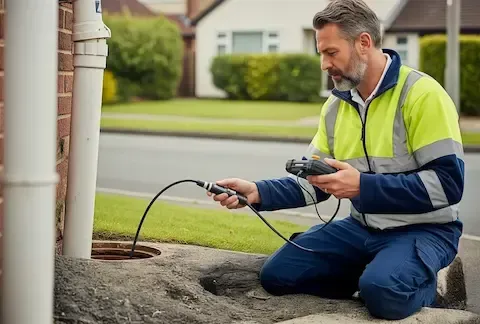
Professional sewer line inspections identify potential problems before they cause expensive backup incidents. Video camera technology allows technicians to examine pipe conditions, locate blockages, and assess structural integrity without excavation. Sewer Line Repair specialists can recommend appropriate solutions based on your property's specific conditions and risk factors.
Upgrading older sewer connections improves flow capacity and reduces backup risk during peak demand periods. Modern pipe materials resist root intrusion and provide better long-term performance in challenging soil conditions. Professional contractors understand local code requirements and proper installation techniques for Grand Forks area conditions.
Municipal cooperation programs sometimes offer cost-sharing opportunities for private property improvements that benefit the overall system. Contact the Grand Forks Public Works Department to learn about available incentives for sewer line upgrades and backup prevention installations.
Seasonal Preparation and Monitoring
Spring preparation begins in late February when snowmelt patterns become predictable. Clear basement floor drains of accumulated debris and test sump pump operations before high-risk periods. Monitor local weather forecasts and flood warnings to anticipate potential system stress periods.
Establish relationships with qualified restoration contractors before emergencies occur. Research insurance coverage details and understand your policy's specific requirements for sewage backup claims. Keep emergency contact information easily accessible and ensure all family members know the location of main water shutoffs.
Regular maintenance scheduling during low-risk periods ensures your protection systems function properly when needed. Professional inspections, drain cleaning, and equipment testing should occur annually during fall months when system demands are typically lowest.
