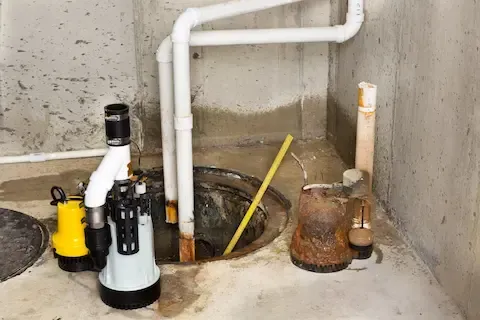
Sump Pump Sizing for Grand Forks Basement Flooding
Choosing the right sump pump size for your Grand Forks basement requires understanding the unique challenges of living in the Red River Valley flood plain. Your pump must handle both seasonal groundwater fluctuations and the area's clay-heavy soil composition that can create hydrostatic pressure against foundation walls. The wrong size pump leaves you vulnerable to basement flooding during spring snowmelt and heavy rainfall periods.
Understanding Grand Forks Water Table Conditions
Grand Forks sits in a flood-prone region where the Red River creates seasonal water table variations that directly impact basement moisture levels. During spring thaw, groundwater levels can rise dramatically, putting additional pressure on foundation walls and increasing the volume of water your sump pump must evacuate.
The clay soil composition common throughout the Red River Valley retains water longer than sandy soils, creating sustained periods where your sump pump operates frequently. This means you need a pump rated for continuous duty cycles rather than intermittent operation. Clay soil also means water moves slowly toward your sump pit, requiring careful consideration of pump capacity versus cycling frequency.
Your local water table depth varies significantly between neighborhoods in Grand Forks. Properties closer to the Red River typically experience higher groundwater levels, while areas with better drainage may have deeper water tables. Understanding your specific location's water table behavior helps determine whether you need a higher-capacity pump for frequent operation or a standard pump for occasional use.
Calculating Gallons Per Hour Requirements
Sump pump capacity is measured in gallons per hour (GPH) or gallons per minute (GPM), with most residential applications requiring pumps rated between 2,000 and 4,000 GPH. Your specific needs depend on your basement square footage, the rate of water infiltration, and how quickly water accumulates in your sump pit during peak conditions.
For a typical Grand Forks basement of 1,000 square feet with moderate water infiltration, a 3,000 GPH pump handles most seasonal challenges. Larger basements over 1,500 square feet or properties with known drainage issues may require pumps rated at 4,000 GPH or higher. Properties in low-lying areas near the Red River often benefit from 5,000+ GPH pumps due to sustained high water table conditions.
Calculate your minimum pump requirements by measuring how quickly water rises in your sump pit during heavy rain or snowmelt. If water rises one inch in 10 minutes in an 18-inch diameter pit, you need approximately 1,500 GPH capacity just to keep pace. Add 50% capacity for safety margin and future weather pattern changes.
Consider pump head height in your calculations. Head height is the vertical distance from your sump pit to where water exits your home. Higher head heights reduce pump efficiency, so a pump rated at 3,000 GPH at 5 feet of head might only deliver 2,400 GPH at 10 feet of head. Sump Pump Installation professionals can measure your exact head height requirements.
Matching Pump Size to Foundation Type
Poured concrete foundations common in newer Grand Forks construction typically have fewer leak points than block foundations, potentially requiring smaller pump capacities. However, any foundation cracks or settling issues increase water infiltration rates and pump size requirements.
Block foundations prevalent in older Grand Forks neighborhoods often require larger pump capacities due to mortar joint deterioration and increased seepage potential. These foundations may need 4,000+ GPH pumps even for modest basement sizes due to higher infiltration rates through multiple seepage points.
Basement depth also influences pump sizing. Deeper basements below the frost line experience more consistent groundwater pressure, requiring pumps capable of sustained operation. Shallow basements may experience more dramatic water level fluctuations, benefiting from higher-capacity pumps that can quickly remove large volumes during peak infiltration periods.
Common Sizing Mistakes to Avoid
Many homeowners underestimate pump requirements by only considering average conditions rather than peak water infiltration scenarios. Your pump must handle the worst-case scenario, not typical dry weather conditions. Sizing for average conditions leaves you vulnerable during spring flooding or extended wet periods when you need protection most.
Oversizing creates different problems including frequent cycling, increased wear, and higher electricity costs. A pump that's too large for your pit size will cycle on and off repeatedly, reducing motor life and creating unnecessary noise. Match pump capacity to both water infiltration rate and sump pit recovery time for optimal performance.
Ignoring backup power requirements is another critical mistake. Even the perfectly sized primary pump becomes useless during power outages that often accompany severe weather. Consider battery backup pumps or water-powered backup systems sized appropriately for your primary pump's capacity requirements.
Local Installation Considerations
Grand Forks building codes require specific sump pump discharge locations to prevent neighbor conflicts and municipal system overload. Your pump must discharge at least 10 feet from foundation walls and cannot connect directly to sanitary sewer systems. Plan discharge routing during pump selection to ensure adequate pump pressure for your intended discharge location.
Frozen discharge pipes create unique challenges during Grand Forks winters. Choose pumps with adequate pressure ratings to push water through longer discharge runs that extend beyond frost-penetration zones. Some installations benefit from heated discharge pipes or underground routing below frost lines.
Local soil conditions may require specialized pit liner installations that affect pump sizing. Clay soil that swells when wet can reduce effective pit volume, requiring pumps that can operate in smaller water volumes without short cycling. Sump Pump Installation specialists understand these local soil challenges.
Professional Assessment Benefits
Professional pump sizing considers factors beyond simple capacity calculations including electrical requirements, plumbing integration, and local code compliance. Qualified technicians can assess your specific water infiltration patterns, foundation conditions, and discharge requirements to recommend optimal pump specifications.
Professional installation ensures proper pit depth, liner installation, and check valve placement that affects pump performance. Incorrect installation can reduce pump efficiency significantly, making even properly sized pumps inadequate for your protection needs.
Many pump manufacturers require professional installation to maintain warranty coverage. Professional installation also includes system testing and performance verification to ensure your pump meets design specifications under actual operating conditions.
Long-term Performance Planning
Climate patterns in North Dakota suggest increasing precipitation variability with more intense rain events and unpredictable snowmelt timing. Consider pump sizing that accommodates these changing weather patterns rather than historical averages that may no longer represent future conditions.
Plan for pump maintenance requirements when selecting size and type. Larger pumps typically require more frequent maintenance but provide better protection margins. Balance protection needs with ongoing maintenance costs and complexity when making final sizing decisions.
Consider your home's long-term plans including basement finishing or foundation modifications that could change water infiltration patterns. Slightly oversizing now may prove cost-effective if future modifications increase your pump requirements.
