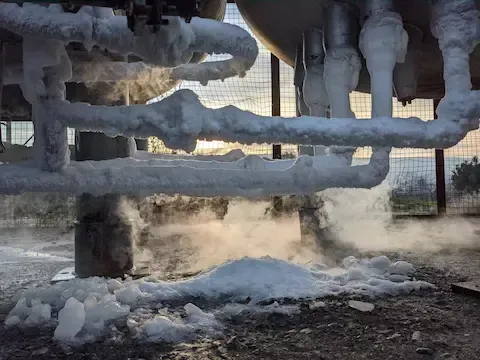
Thawing Frozen Pipes Safely During Grand Forks Winter
When pipes freeze in Grand Forks' harsh winter conditions, safe thawing requires patience and the right approach. Start by turning off the main water supply and opening faucets to relieve pressure. Apply gentle heat using a hair dryer, heating pad, or warm towels, working from the faucet toward the blockage. Never use open flames, blowtorches, or excessive heat that can damage pipes or create safety hazards.
Step 1: Turn Off Your Water Supply
Before attempting any thawing process, locate your main water shutoff valve and turn it off completely. This prevents additional water from flowing into the frozen section and reduces pressure that could cause the pipe to burst when ice expands. Open the faucet that the frozen pipe supplies to allow any remaining water to drain out and provide an escape route for water once thawing begins.
Step 2: Locate the Frozen Section
Identify where the pipe has frozen by checking exposed pipes in unheated areas like basements, crawl spaces, or exterior walls. Look for sections covered in frost or ice, or trace back from a faucet that isn't producing water. In Grand Forks homes, common freeze points include pipes near exterior walls, in uninsulated crawl spaces, or areas where cold air can reach plumbing.
Step 3: Apply Gentle Heat
Use safe heating methods to gradually warm the frozen pipe. A hair dryer works effectively - keep it moving along the pipe length rather than focusing heat on one spot. Electric heating pads wrapped around the pipe provide consistent, controlled warmth. Hot towels soaked in warm water can be wrapped around accessible sections, though you'll need to rewarm them frequently. Always work from the faucet end toward the frozen area to allow melting ice to flow out rather than creating more pressure.
Step 4: Monitor the Thawing Process
Thawing takes time, especially with North Dakota's extreme cold temperatures. Keep the faucet open and watch for water to begin flowing, which indicates progress. Don't rush the process with excessive heat - sudden temperature changes can crack pipes. If you're using electrical heating devices, ensure they're plugged into GFCI-protected outlets, particularly important in damp basement conditions common in older Grand Forks homes.
Step 5: Check for Pipe Damage
Once water flow resumes, inspect the thawed section carefully for cracks, bulges, or signs of damage. Even small hairline cracks can become major leaks once full water pressure returns. Look for any wet spots around pipe joints or along the pipe length. Frozen Pipe Repair may be necessary if you discover damage during your inspection.
Step 6: Restore Water Pressure Gradually
Turn your main water supply back on slowly, allowing pressure to build gradually rather than all at once. This gentler approach helps identify any weakened areas before they become full breaks. Listen for unusual sounds like hissing or dripping that might indicate hidden damage. Keep the faucet open initially to ensure steady flow, then close it once you've confirmed normal operation.
What Not to Do When Thawing Pipes
Never use open flames like propane torches, candles, or kerosene heaters near pipes. These create fire hazards and can generate temperatures high enough to damage pipes instantly. Avoid pouring boiling water directly on frozen pipes, as the extreme temperature differential can cause cracking. Don't ignore signs that the pipe may have already burst - if you see water stains, hear running water sounds, or notice unusually high water bills, professional intervention is necessary.
When to Call for Professional Help
Some situations require professional plumbers rather than DIY attempts. If the frozen pipe is inside a wall or ceiling where you can't safely access it, don't attempt to cut through drywall yourself. Multiple frozen pipes throughout your Grand Forks home suggest a more serious insulation or heating system problem. Frozen Pipe Repair in Grand Forks becomes essential when you discover cracks, leaks, or if your initial thawing attempts don't restore flow within several hours.
Preventing Future Freezing
After successfully thawing your pipes, take steps to prevent recurrence during Grand Forks' long winter months. Insulate exposed pipes in unheated areas using foam pipe insulation or heat tape designed for plumbing applications. During extreme cold snaps, let faucets drip slightly to keep water moving through the system. Open cabinet doors under sinks to allow warm air circulation around pipes, and consider relocating exposed pipes away from exterior walls during renovation projects.
