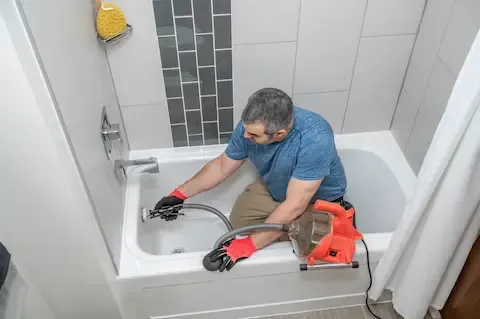
How to Unclog a Bathroom Drain Fast in Grand Forks
You can unclog most bathroom drains in Grand Forks in under 20 minutes using tools you already own. Hair and soap scum cause the majority of bathroom drain clogs, and both respond well to manual removal or a baking soda and vinegar flush. Start by pulling the stopper, clearing visible debris, then flushing with hot water. If the drain is still slow after two attempts, the clog may be deeper in the P-trap or the main line — that's when you call a professional. This guide walks you through each step so you can fix it fast and know when to stop.
Step 1: Remove and Clean the Drain Stopper
Most bathroom sink stoppers lift straight out or unscrew counterclockwise. Bathtub stoppers usually twist off or require a single screw. Once removed, clean off the hair and soap buildup wrapped around the base. This step alone clears a large percentage of slow drains in Grand Forks homes — especially in older bathrooms where stoppers haven't been pulled in months. Rinse the stopper with hot water and set it aside before moving to the drain opening itself.
Step 2: Clear Visible Hair and Debris by Hand
Put on rubber gloves and use your fingers or a plastic drain snake (also called a drain hair tool) to pull out anything inside the drain opening. These inexpensive tools are available at hardware stores in Grand Forks and catch hair that sits just below the surface. Avoid pushing the clog deeper — always pull upward. If you don't have a drain tool, a straightened wire coat hanger with a small hook bent at the end works just as well.
Step 3: Use Baking Soda and Vinegar
Pour one-half cup of baking soda directly into the drain, followed immediately by one-half cup of white vinegar. Cover the drain opening with a cloth or drain cap to keep the reaction pushing downward instead of bubbling up and out. Wait 15 minutes. This combination breaks down soap scum and loosens light organic buildup without damaging your pipes — an important consideration in Grand Forks neighborhoods with older cast-iron drain lines. Follow with a full kettle of boiling water poured slowly into the drain.
Step 4: Plunge the Drain
If the baking soda flush doesn't fully clear the clog, use a cup plunger — the flat-bottomed type, not the flange plunger used for toilets. Fill the sink or tub with two to three inches of water to create a proper seal. Place the plunger directly over the drain and push down firmly, then pull up sharply. Repeat 10 to 15 times. The pressure change dislodges most hair and soap clogs sitting in the P-trap below the drain. Run hot water after to confirm the drain is flowing freely. For more serious buildup, Drain Cleaning from a licensed plumber is the safest next step.
Step 5: Check and Clear the P-Trap
If plunging doesn't work, the clog is likely sitting in the P-trap — the curved pipe section under your sink. Place a bucket underneath the trap, then unscrew the slip nuts by hand or with pliers. Remove the curved section and clean it out directly. This is a straightforward fix in most Grand Forks homes, though it does require getting under the cabinet. Reassemble the trap, tighten the slip nuts snugly (not overtight), and run water to check for leaks before putting anything back under the sink.
Step 6: Know When the Problem Is Deeper
If you've completed every step above and the drain is still slow or backing up, the clog is not in the fixture — it's further down the drain line or in a shared branch line. Grand Forks homes built before the 1980s often have galvanized or cast-iron waste lines that accumulate scale buildup over decades, narrowing the pipe diameter significantly. Multiple slow drains in the same bathroom, or gurgling sounds when one fixture drains while another is in use, both point to a shared line issue. You can read more about a related problem in our post on Kitchen Drain Clogs From Grease Buildup to understand how different types of buildup affect your drain system.
What to Avoid When Unclogging a Bathroom Drain
Chemical drain cleaners like liquid sulfuric acid or lye-based products generate heat inside your pipes. In older Grand Forks homes, that heat can warp PVC fittings or accelerate corrosion in metal pipes. Repeated chemical use also damages the rubber seals in pop-up stoppers and P-trap assemblies. These products may clear the immediate clog but leave your drain system weaker than before. Manual methods and enzyme-based drain treatments are safer for your plumbing long-term.
