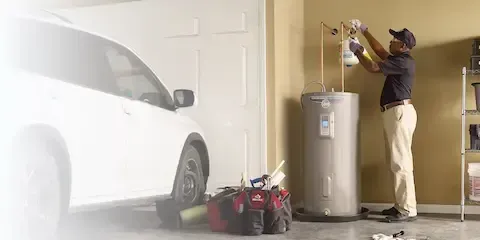
Hot Water Heater Failure at -20F Grand Forks Homes
When temperatures plummet to -20°F in Grand Forks, your water heater faces extreme stress that can trigger sudden failures. The combination of increased demand, frigid incoming water, and thermal shock creates perfect conditions for tank ruptures, pilot light failures, and component breakdowns that leave families without hot water during the coldest days of winter.
Why Water Heaters Fail During Extreme Cold
Grand Forks winters push water heaters beyond normal operating parameters. Municipal water entering your home drops to near-freezing temperatures, forcing your unit to work overtime. Gas water heaters struggle when pilot lights blow out from drafts or when flue pipes freeze, blocking proper ventilation. Electric units face power surges as the grid strains under peak heating demand.
Tank expansion and contraction during rapid temperature swings create metal fatigue. Older units with sediment buildup are particularly vulnerable since mineral deposits act as insulation, causing localized overheating. The tank bottom, already weakened by years of thermal cycling, often develops pinhole leaks or catastrophic cracks when stressed by extreme cold.
Frozen supply lines compound the problem. When pipes freeze upstream of your water heater, the sudden pressure release upon thawing can damage internal components. Relief valves may stick open, and heating elements can burn out from operating without adequate water flow.
Emergency Steps When Your Unit Fails
First, shut off the gas supply or electrical power to prevent safety hazards. For gas units, turn the control dial to "off" and locate the gas shutoff valve near the unit. Electric water heaters require switching off the dedicated circuit breaker. Never attempt repairs on energized equipment.
Check for visible leaks around the tank base or connections. Even small leaks can flood basements rapidly in freezing conditions when homeowners delay action. Place buckets or tarps to protect flooring and belongings. If you discover significant water damage, document it immediately for insurance purposes.
Assess whether frozen pipes contributed to the failure. Look for ice formations around supply lines or unusual pressure drops at fixtures. Water Heater Repair professionals often find that addressing frozen pipes prevents recurring problems with replacement units.
Contact emergency plumbing services immediately. Grand Forks experiences high demand for water heater repairs during cold snaps, and same-day service requires early morning calls. Provide specific details about your unit's age, fuel type, and symptoms to help technicians prepare appropriate replacement parts.
Staging a Same-Day Replacement
Successful same-day water heater replacement during extreme weather requires advance preparation. Start by clearing access paths to your basement or utility area. Remove stored items that might impede technician movement, especially around tight stairways common in older Grand Forks homes.
Measure your existing unit's height, width, and clearance requirements before technicians arrive. North Dakota building codes specify minimum clearances for gas appliances, and newer efficiency standards may require different venting configurations. Having measurements ready speeds the selection process when multiple unit sizes might fit your space.
Verify that your electrical service can handle modern water heater requirements. Older Grand Forks homes sometimes have undersized electrical panels that cannot support high-efficiency electric units. Gas lines may need pressure testing before connecting new appliances, particularly if your home uses propane rather than natural gas.
Prepare for temporary inconvenience by gathering buckets for heating water on your stove. Stock up on bottled water if your home relies on a well pump that requires hot water for proper operation. Some Grand Forks residents discover their heating systems also depend on hot water circulation when their water heater fails.
Common Mistakes During Cold Weather Failures
Many homeowners attempt temporary fixes that worsen the situation. Never use space heaters or hair dryers to warm frozen water lines near gas appliances. The combination of electrical devices and potential gas leaks creates serious safety hazards. Similarly, avoid using open flames or torches around water heater areas.
Delaying professional service costs more than immediate action. Water damage from failed tanks increases rapidly, and emergency repairs during weekends or holidays carry premium pricing. Water Heater Repair specialists recommend immediate shutoff and professional assessment rather than attempting temporary patches.
Choosing the wrong replacement type happens frequently under pressure. Homeowners often replace failed gas units with electric models without considering operating costs or installation requirements. Electric water heaters typically cost more to operate in North Dakota's climate, while gas units provide faster recovery during peak demand periods.
Ignoring building code updates leads to failed inspections and delayed installations. Grand Forks has updated water heater installation requirements several times, particularly regarding venting and seismic strapping. Attempting DIY installation without proper permits can void insurance coverage and create liability issues.
Grand Forks Climate Considerations
The Red River Valley's extreme temperature swings require specific water heater selection strategies. Units designed for moderate climates often fail prematurely in North Dakota conditions. Look for models rated for ambient temperatures below freezing and with enhanced insulation packages.
Wind chill affects indoor installations more than homeowners realize. Basement temperatures in older Grand Forks homes can drop significantly during blizzards, forcing water heaters to work harder. Consider relocating units away from exterior walls or adding supplemental insulation around the installation area.
Power outages during winter storms disable electric water heaters completely. Gas units with pilot lights continue operating during outages, while electronic ignition models require backup power. Battery-powered ignition systems or small generators provide continuity for critical hot water needs during extended outages.
Professional Installation Benefits
Licensed plumbers understand Grand Forks soil conditions that affect venting and drainage requirements. Clay soils common in the area can shift during freeze-thaw cycles, potentially damaging improperly supported vent pipes. Professional installation includes proper foundation support and flexible connections that accommodate ground movement.
Warranty protection requires professional installation for most manufacturers. DIY installations void warranties and can complicate insurance claims when failures occur. Professional installations include permits, inspections, and documentation that protect your investment and maintain coverage.
Code compliance ensures safe operation and proper efficiency. North Dakota has adopted updated efficiency standards that affect venting, insulation, and safety device requirements. Professional installers stay current with changing regulations and ensure installations meet all applicable codes.
Preventing Future Cold Weather Failures
Annual maintenance prevents most cold weather water heater failures. Schedule professional inspection before winter arrives, including sediment flushing, anode rod replacement, and safety system testing. Replace units approaching 10-12 years old before they fail during peak heating season.
Insulate supply lines and consider recirculation systems that maintain water temperature throughout your home's distribution system. Proper insulation reduces energy costs and prevents the thermal shock that damages water heater components during extreme cold spells.
Install water leak detection systems that automatically shut off water supply when leaks occur. Smart monitoring systems can alert you to temperature drops or unusual usage patterns that indicate developing problems before catastrophic failure occurs.
