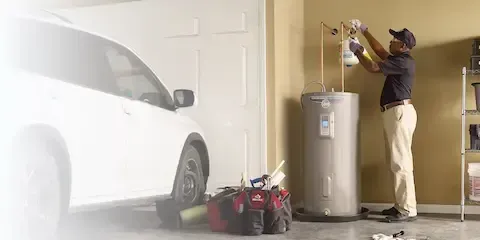
Water Heater Leaking Steps for Grand Forks Homeowners
A leaking water heater in Grand Forks needs immediate attention. First, shut off the cold water supply valve above the tank. Then cut power — flip the breaker for electric heaters or turn the gas valve to the pilot position for gas units. Place towels or a bucket to contain water. Check whether the leak is from a valve, fitting, or the tank body itself. A dripping pressure relief valve or loose connection can sometimes be repaired. A cracked or corroded tank usually means replacement. Call a licensed plumber before the situation worsens, especially during a Grand Forks winter when basement flooding can freeze fast.
Where Is the Water Heater Leak Coming From?
Location matters before anything else. Run your hand or a dry cloth around the tank to identify the source:
- Top of the tank: Usually a loose cold water inlet or hot water outlet fitting. These are often tightenable.
- Side of the tank (pressure relief valve): The T&P valve opens to release dangerous pressure. If it is dripping, the valve may be faulty or your water pressure is too high.
- Bottom of the tank: Pooling water under the tank is the most serious sign. It often means the tank lining has corroded through. Tanks leaking from the bottom rarely get repaired — they get replaced.
- Drain valve: The spigot near the bottom is a common culprit after sediment builds up. A worn washer or loose cap can cause a slow drip.
Do not assume the worst until you locate the exact source. Many Grand Forks homeowners have replaced a tank prematurely when the actual issue was a $15 valve fitting.
How Do You Shut Off a Leaking Water Heater Safely?
Shut off in this order to avoid making things worse:
- Step 1 — Cold water supply: Find the valve on the pipe entering the top of the tank. Turn it clockwise until it stops. This cuts off new water entering the tank.
- Step 2 — Power or gas: For electric heaters, locate the dedicated breaker in your panel and flip it off. For gas heaters, rotate the control knob from "On" to "Pilot." Do not cut gas supply entirely unless you smell gas.
- Step 3 — Contain the water: Place buckets, old towels, or a wet-dry shop vac nearby. If water is spreading toward finished flooring or toward a wall, move it now — Grand Forks basements with moisture problems in January can turn into freeze-damage situations quickly.
Once you have stopped the water source and isolated the power, the situation is stable enough to assess properly or wait for a plumber. For Water Heater Repair by a licensed Grand Forks plumber, do not attempt to drain or repair a pressurized tank on your own.
Can You Repair a Leaking Water Heater or Does It Need Replacement?
The answer depends entirely on where the leak originates:
- Repairable: Loose inlet/outlet fittings, a faulty T&P valve, a worn drain valve, or deteriorated pipe connections. These are parts-and-labor repairs that take a plumber under an hour in most cases.
- Not repairable: A crack or rust-through in the tank body. Once the interior lining fails, water contacts the steel shell and corrosion accelerates. There is no patch that holds long-term under the pressure and temperature cycling a water heater undergoes.
Tank age matters here. Most residential storage water heaters last 8 to 12 years. If your unit is beyond that range and leaking from the body, replacement is the practical answer. If it is under eight years old and leaking from a valve or connection, a repair call makes financial sense.
What Makes Water Heater Leaks More Serious in Grand Forks?
Grand Forks winters create conditions that turn a manageable leak into a serious problem faster than most climates. Unheated utility rooms, garages, or basement areas where water heaters are sometimes installed can drop below freezing if a door is left open or heat is lost. Standing water from a leaking tank can freeze against flooring, drywall, or concrete, creating secondary damage that outlasts the original plumbing problem.
Sediment buildup is also heavier in areas with hard water, and the Red River Valley has mineral-rich water that accelerates corrosion inside tanks. Annual flushing helps, but many homeowners skip it. If your tank has never been flushed and is more than five years old, the drain valve itself may be corroded and difficult to fully close once opened — a detail worth mentioning to your plumber before they attempt a flush.
See also our guide on Hot Water Heater Failure at -20F for what happens when a water heater gives out during extreme cold snaps in the Grand Forks area.
When Should You Call a Plumber Immediately?
Some situations require a same-day call rather than a wait-and-see approach:
- Water is actively pooling on the floor and not slowing after you shut off the supply valve
- You smell gas near a gas water heater — in this case, leave the building and call your gas utility before calling a plumber
- The T&P valve is discharging hot water continuously, which indicates dangerously high pressure or temperature inside the tank
- Your water heater is in a finished area of the home and any further leaking will reach flooring, walls, or stored belongings
- The tank is older than ten years and showing signs of rust on the exterior shell
A licensed Grand Forks plumber can assess the situation, pull permits if replacement is needed, and handle both gas and electric systems. Do not delay if any of the above conditions apply — the cost of emergency water damage repair almost always exceeds the cost of a timely plumber call.
